I'm not much good at preparing Webpages, but here are some of the pictures we took during our recent sailing holiday. They are reduced in file size (quality) in order to help speed your download times, but much better quality copies are available!
The Aeolian Islands are vulcanic in origin, hence their very striking appearance, and we hope you'll agree that the area is quite stunning. Lipari is the main island, and became quite a favourite of ours - so much so that we elected to use it as a base for the last 3 or 4 days of our time afloat. There are numerous pontoons for mooring, which were never crowded during our stay, but will probably be in short supply in the height of summer!
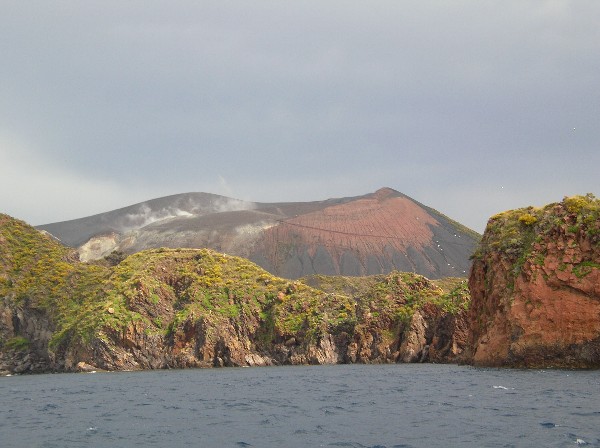
Vulcano is close to Lipari and,although it is now extinct, the top of the island still has a continuous whisp of steam and/or fumes visible at the top. There is also a distinct smell of sulphur. There are two bays which are suitable as anchorages, but one of them shelves very steeply and (as we discovered on our first night) it can be tricky to find a suitable spot.
The island of Salina (also quite close to Lipari) has a harbour big enough to meet demand during June, but not at peak times. Of all the islands, this was the one we liked the least, maybe because the people did not seem as friendly as they were everywhere else. It was the only place where we were required to produce the boat papers!
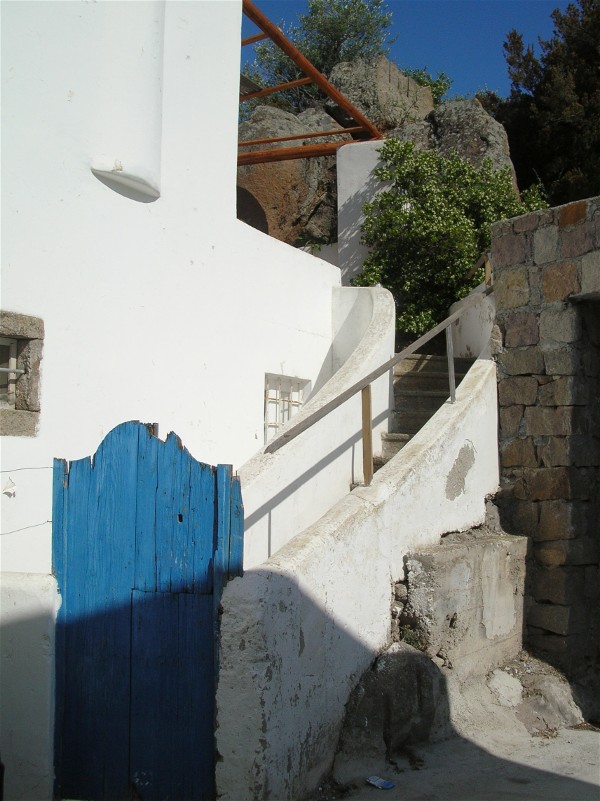
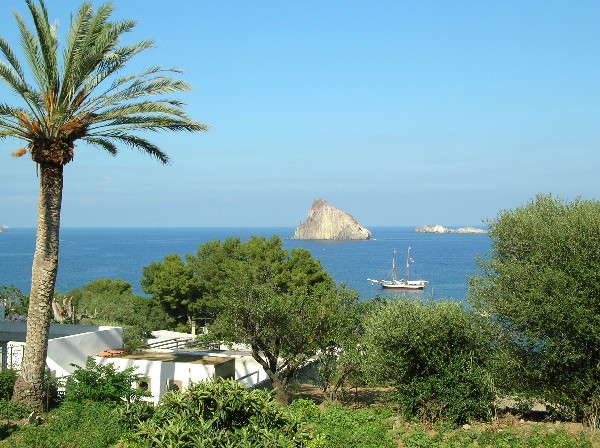
Panarea is a delightful island, which is very small, and has a harbour jetty to match. We were lucky and found a suitable slot to moor against the jetty, although it was a little open to the weather which resulted in a bumpy night! Panarea has no cars, but relies on golf buggies and tiny (noisy) 2-stroke vehicles for transport - as you'll see. The houses and narrow streets are very pretty indeed. Remains of a prehistoric settlement can be seen on one of the headlands, and we did set off to walk there from the (tiny) town, but it was going to be too far in the heat and we had to turn back. Luckily, we discovered we could get to it relatively easily from a small bay where we were to anchor later.
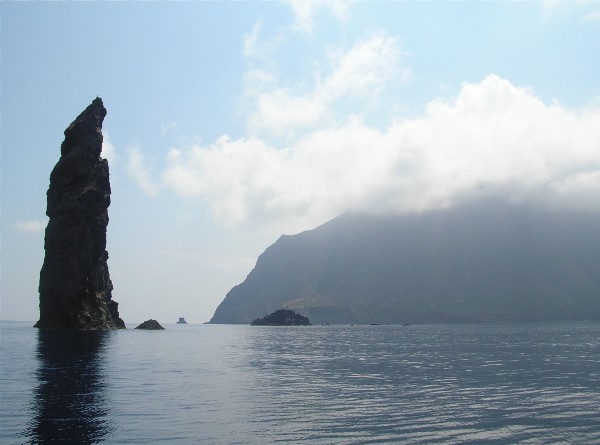
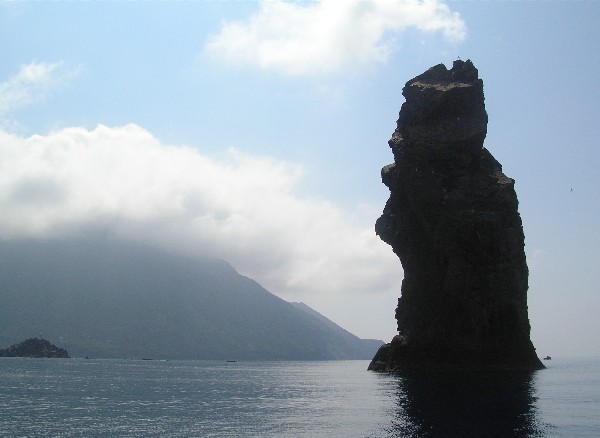
We visited the island of Filicudi, where we spent the night on a visitor's buoy, but decided not to make the fairly lengthy trip to Alicudi Island as we could not be sure whether we would find any suitable overnight mooring or anchorage. Before leaving the island, we circumnavigated Filicudi, which enabled us to photograph its rather imposing off-shore rock.
Stromboli should have been the visual highlight of the holiday, as it is normally very active with a spectacular 'firework display' at night, and lava flow into the sea. As luck would have it, it had thrown a 'wobbly' (commonly called an earthquake) three weeks earlier since which the magnificent displays had stopped. Who knows when/if they will resume? As the island is 25 miles from its nearest neighbour (Panarea), but has absolutely nowhere to moor or anchor overnight, we decided not to go. With the benefit of hindsight, maybe we should at least have taken one of the hydrofoil ferries for a day trip, just to see the island at close quarters, but the smoke etc continually emitting from the top is clearly visible from the whole area.
Anyway, enough waffle - on with the pictures:
This was our first close look at Volcano Island, around 1730 on our first day, having made the 25 mile trip from Sant Agata, Sicily. You can see the whispy emissions from its top.
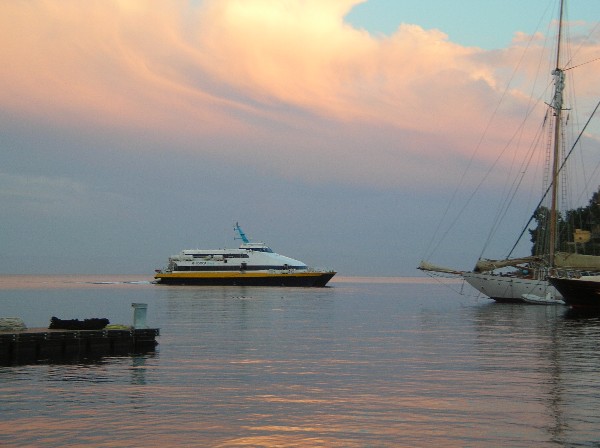
Having been unsuccessful with our attempts to anchor in a Vucano Island bay, we headed for Lipari - our 'reserve' destination. Time was getting on but, thankfully, we were welcomed onto a pontoon and (after the obligatory G & T) watched the sunset.
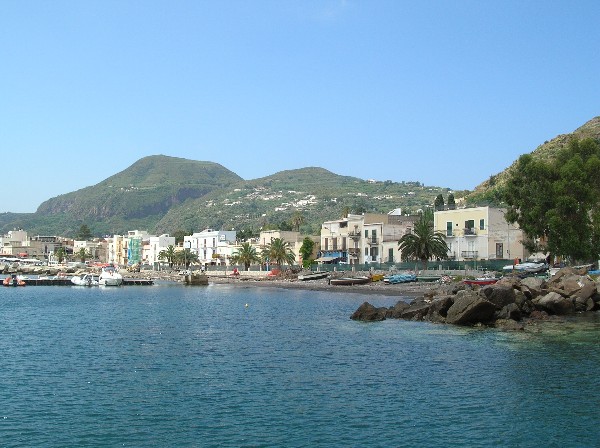
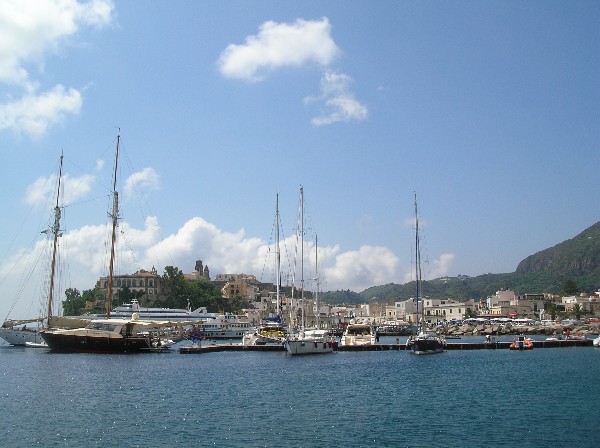
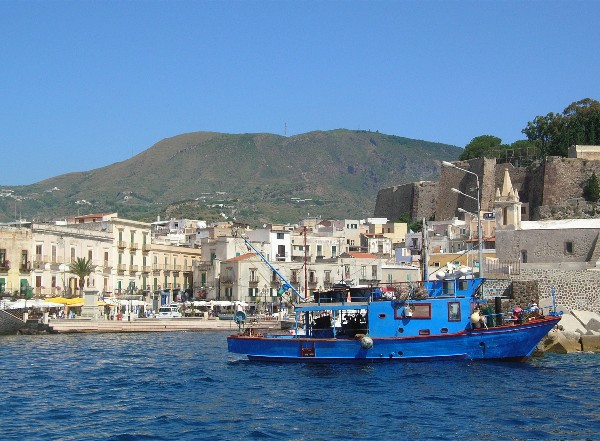
This (and the next picture) was the view of Lipari Town - or at least the edge of it - that greeted us next morning. The sun was very welcome, as we'd had to endure wind and rain the previous day during our crossing from Sicily.
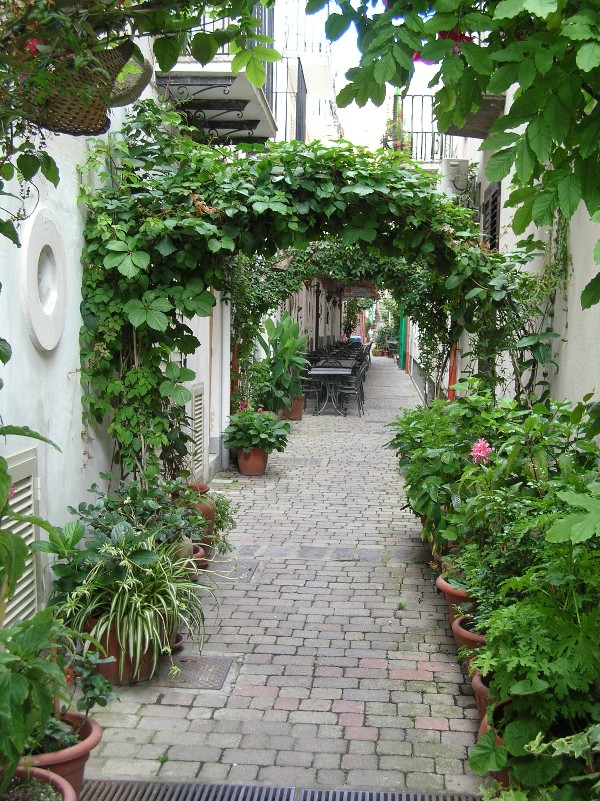
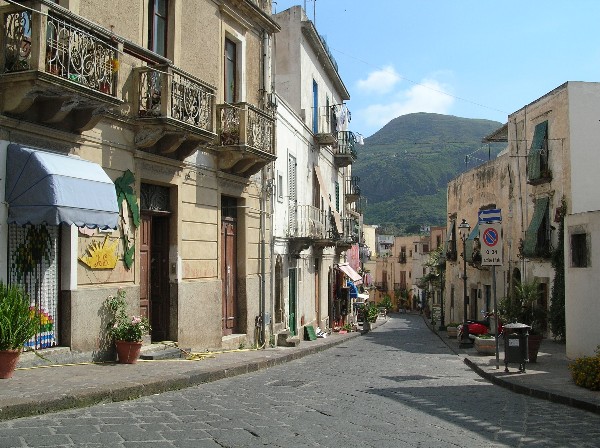
As you can see, Lipari has many pretty streets - we had a very enjoyable meal at the restaurant in this one.
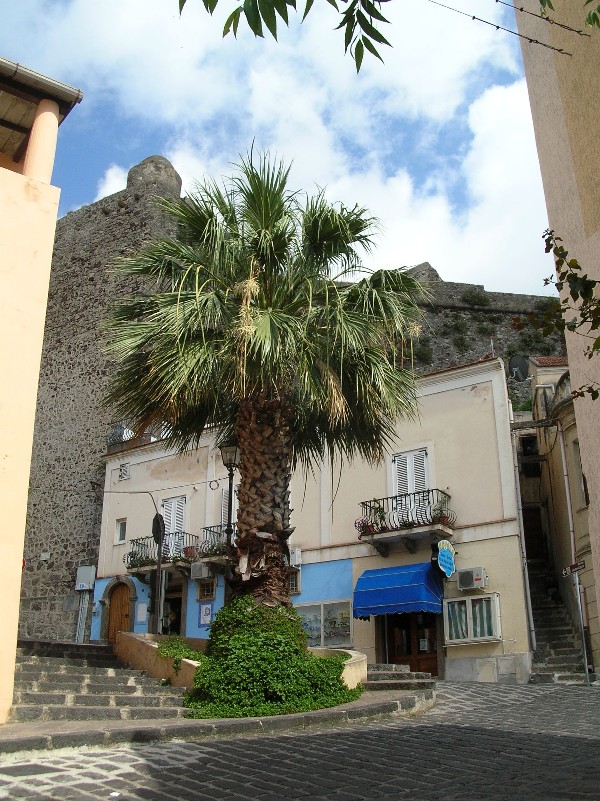
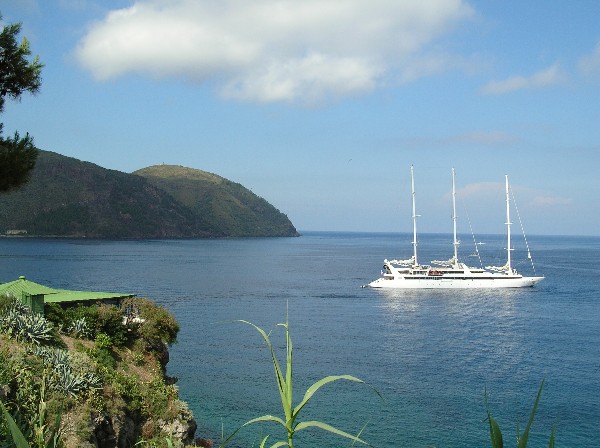
Sadly, this is NOT our yacht!
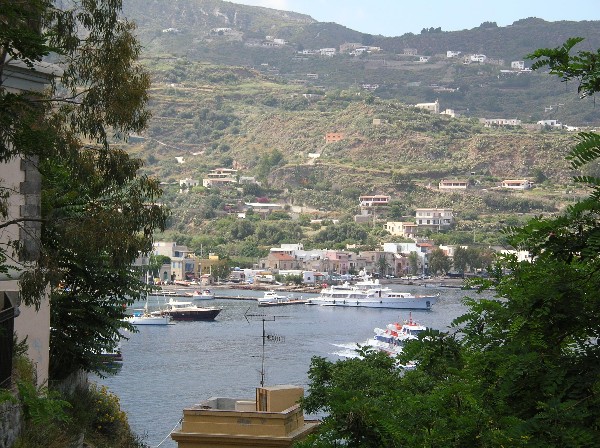
But you can see our yacht in this picture. It is visible - just - immediately above the expensive looking 'stink pot' power vessel with the dark blue hull.
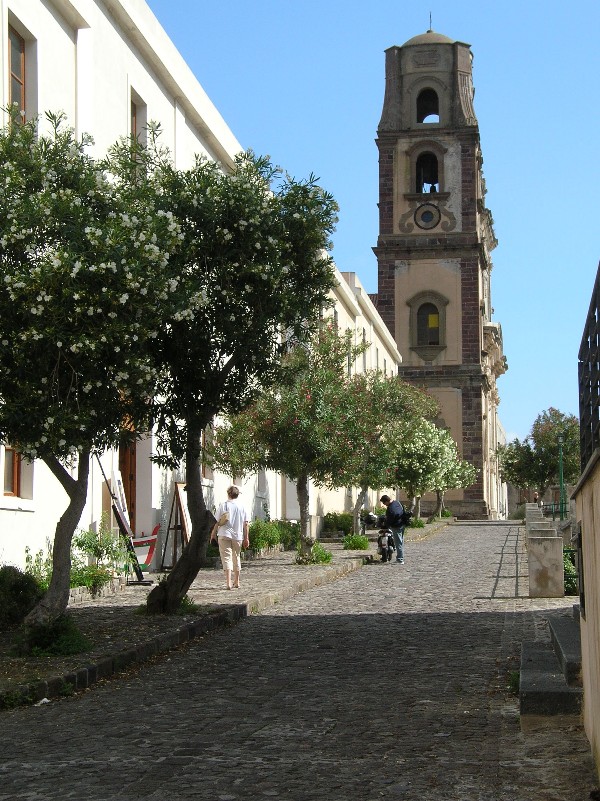
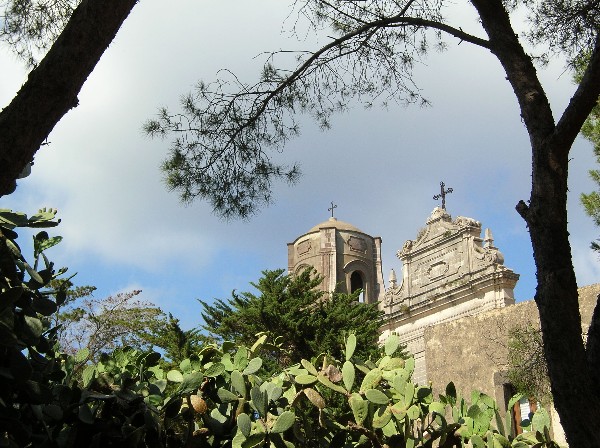
This photograph, and the next 6, show Lipari Castello, with the remains of settlements dating back many years.
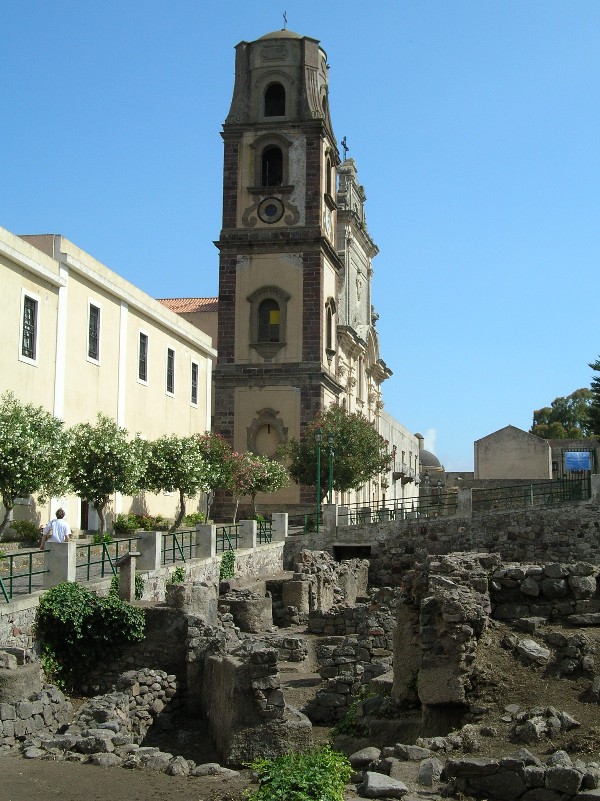
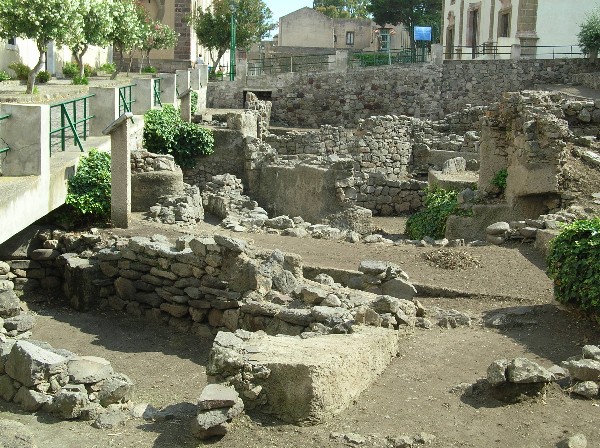
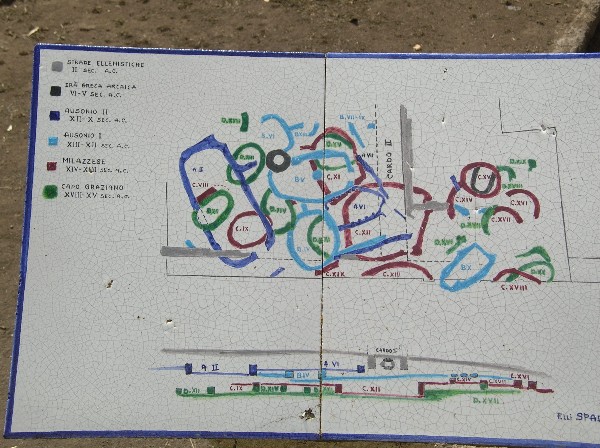
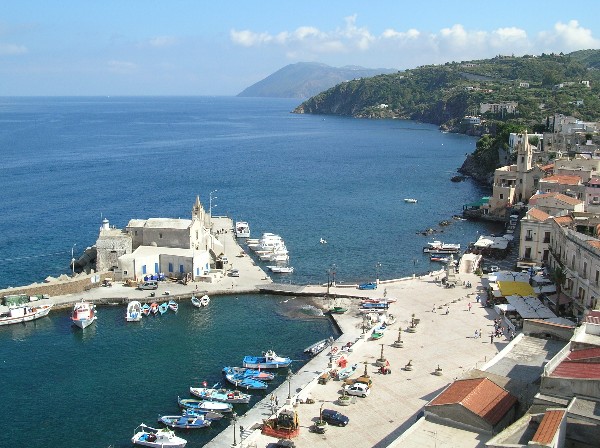
Lipari has a delightful 'working' harbour, on the far side of the town from where we were moored. We spent a lot of time around this harbour, having the occasional glass of wine, scoop of ice cream, or delicious meal. Here are a couple of views of the harbour, viewed from the Castello.
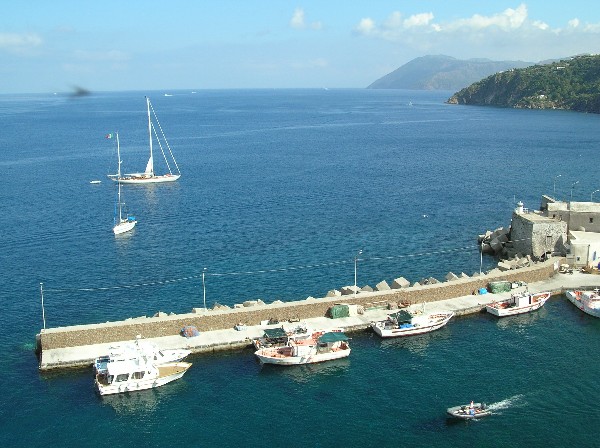
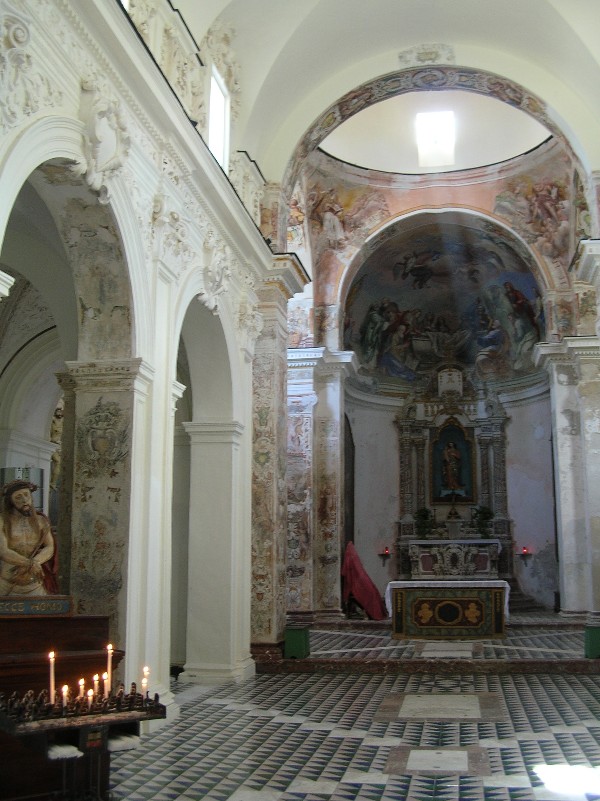
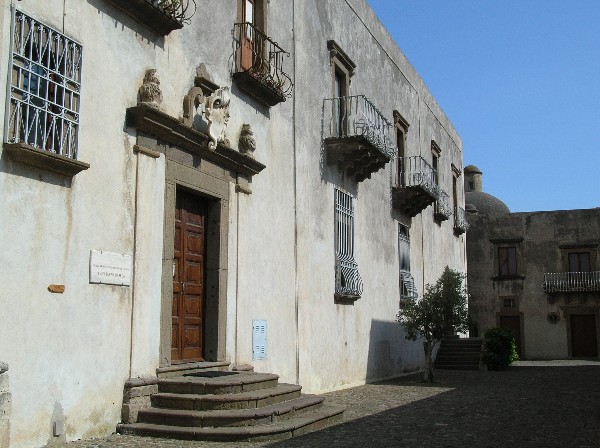
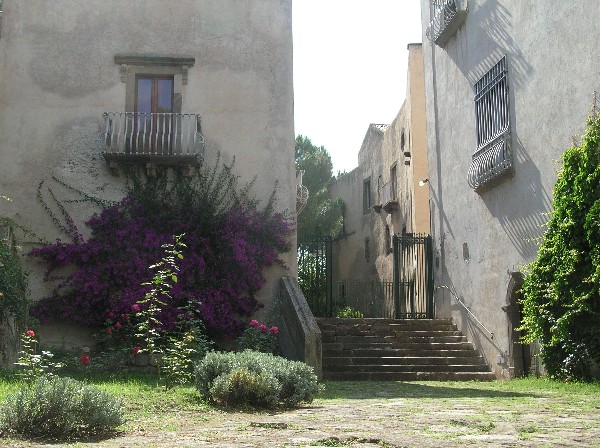
A small church (and its courtyard, below) next to the Castello.
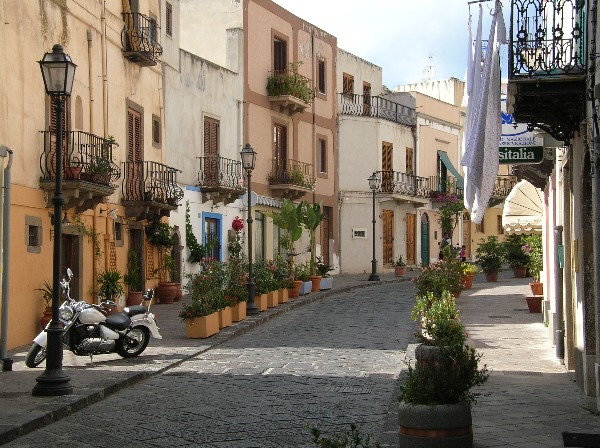
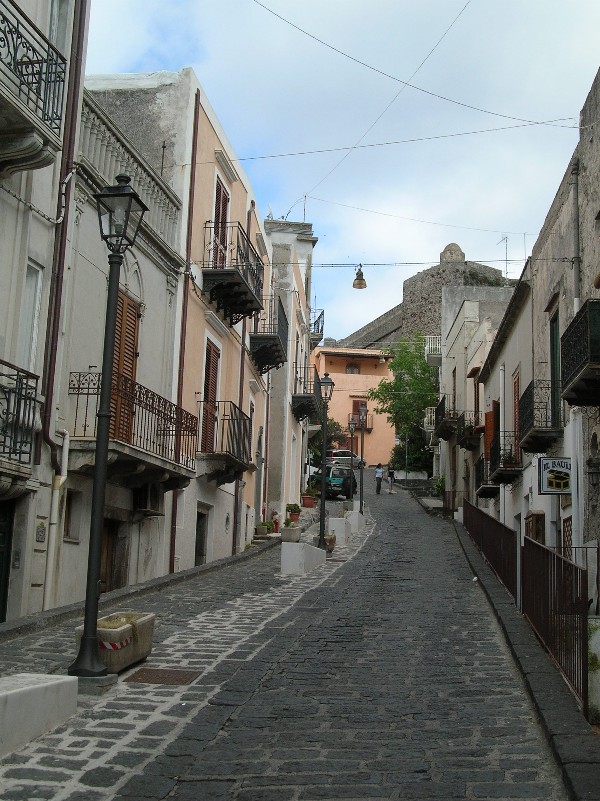
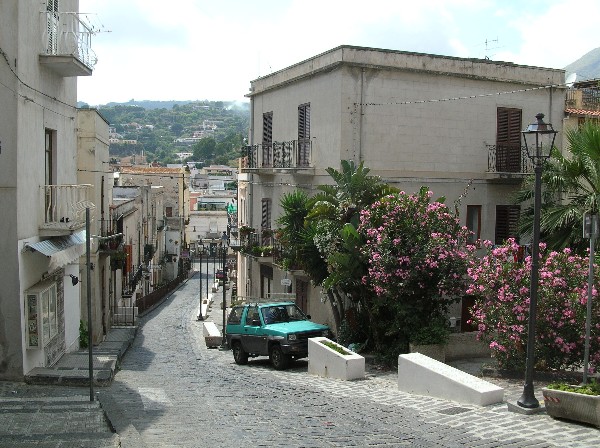
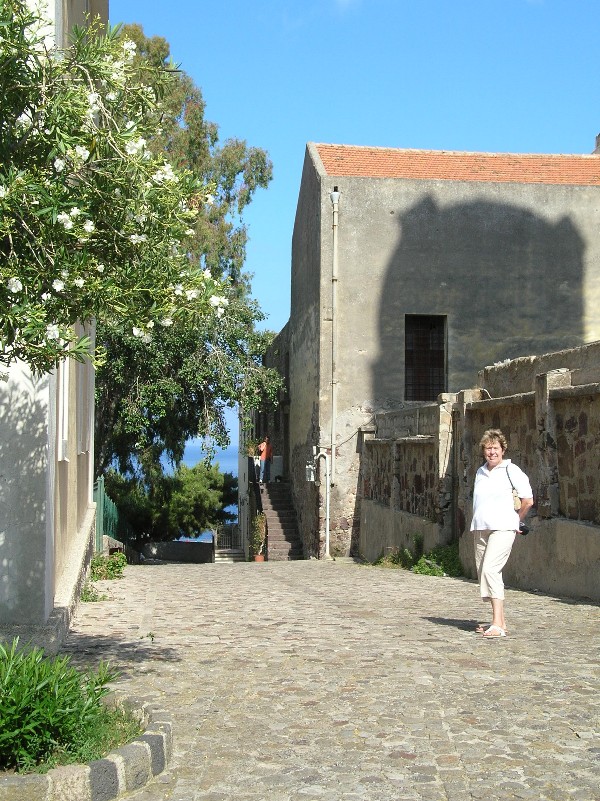
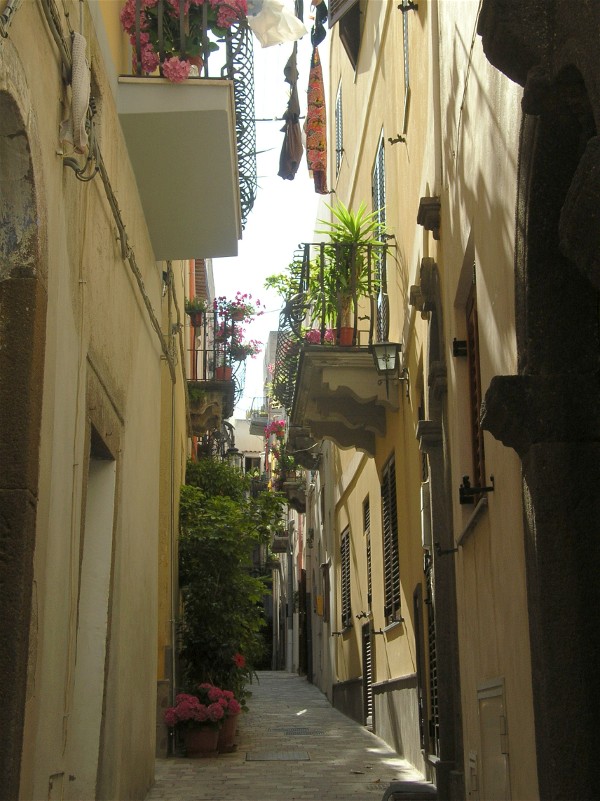
A couple more Lipari streets.
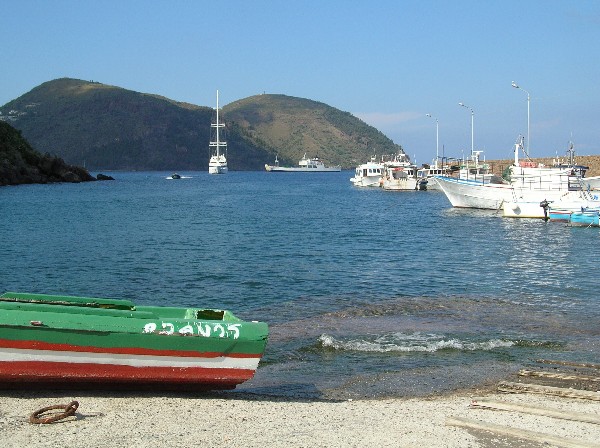
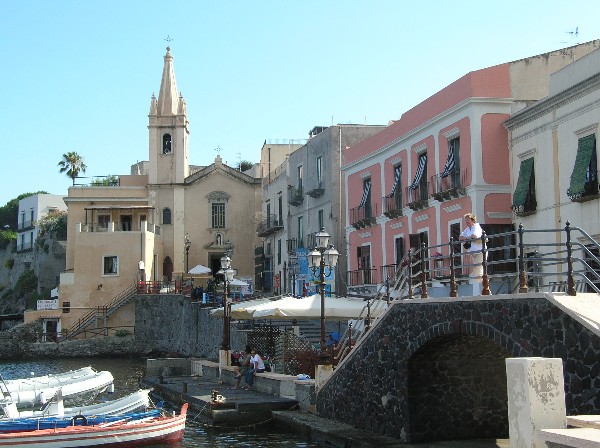
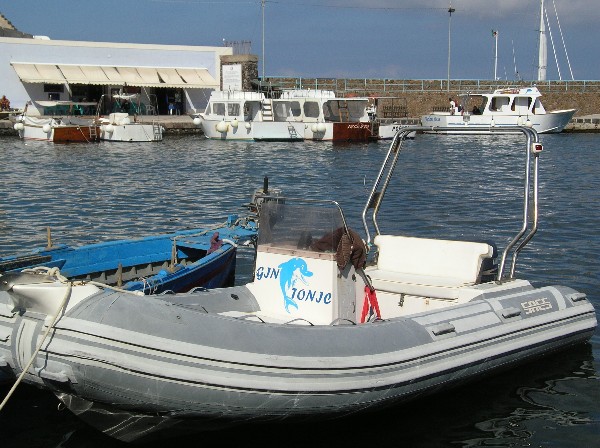
And three pictures around the harbour.
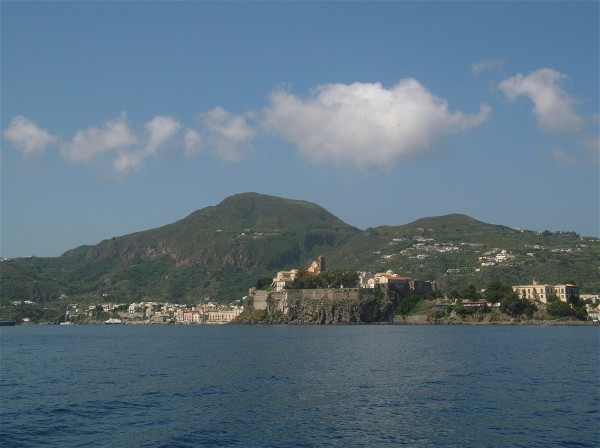
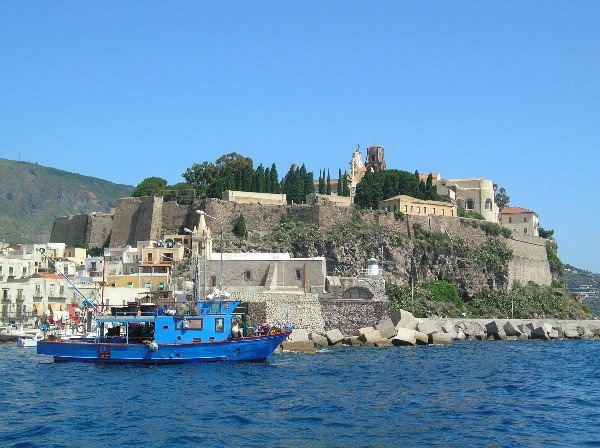
This is Lipari Castello, from the sea.
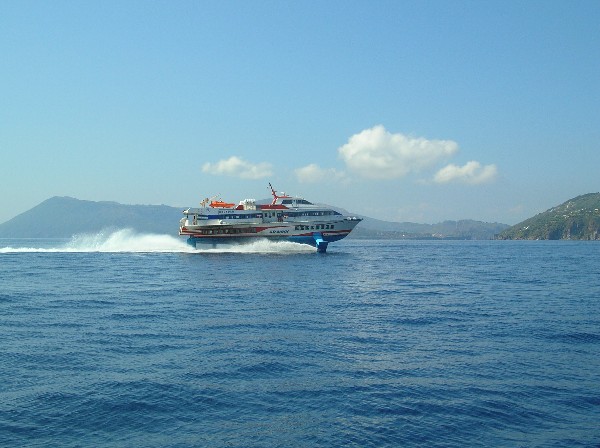
One of the (seemingly thousands of) fast ferries which serve ALL the islands.
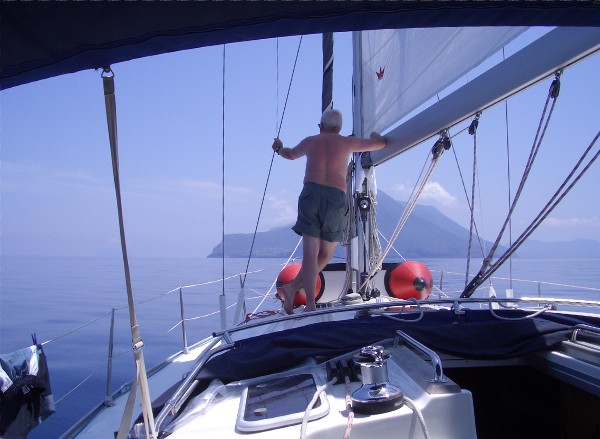
On the way to Panarea.
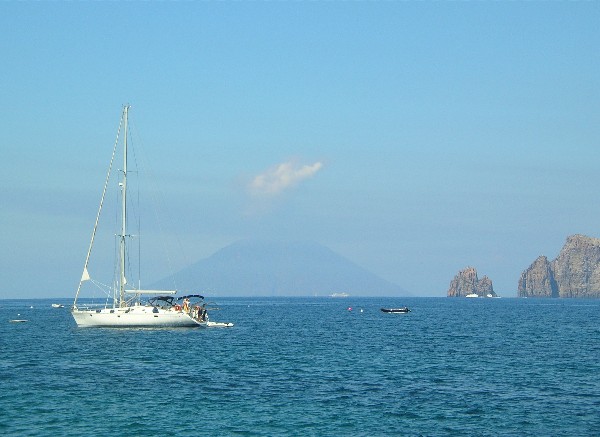
This is a view of Stromboli from Panarea, and you can just see (through the haze) the smoke etc from the top of the active volcano.
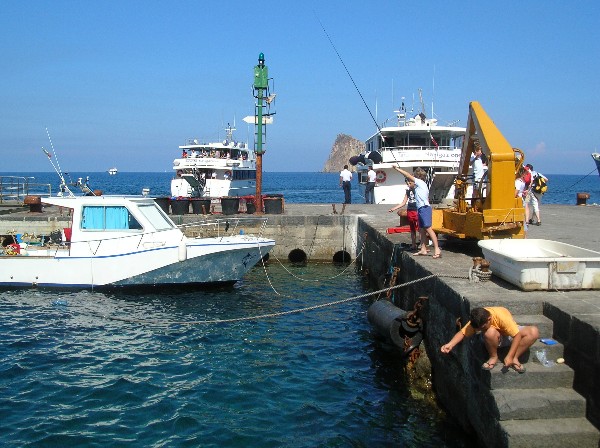
Panarea's small harbour jetty.
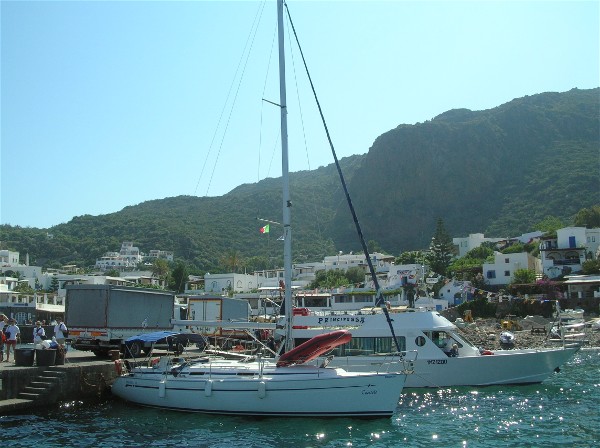
And here we are, moored against the jetty.
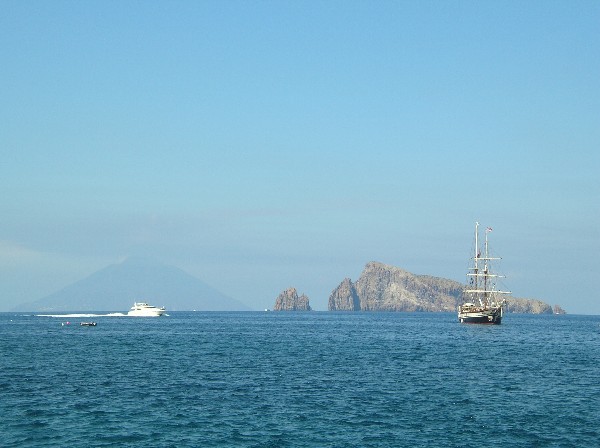
Another View of Stromboli.
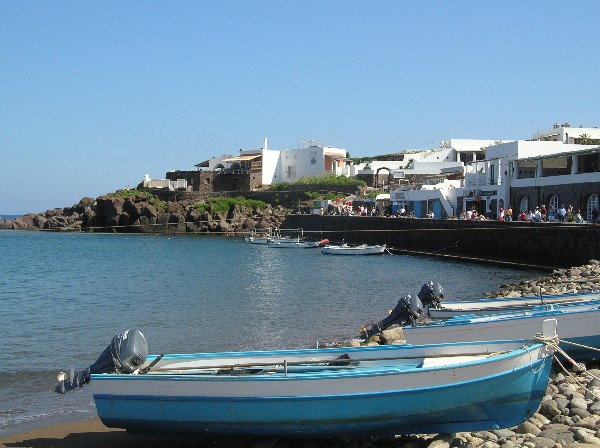
Panarea 'Sea Front'.
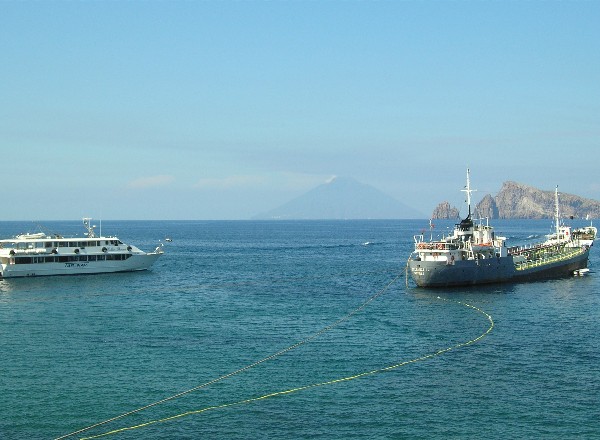
All the islands are supplied with water, pumped ashore from vessels such as this.
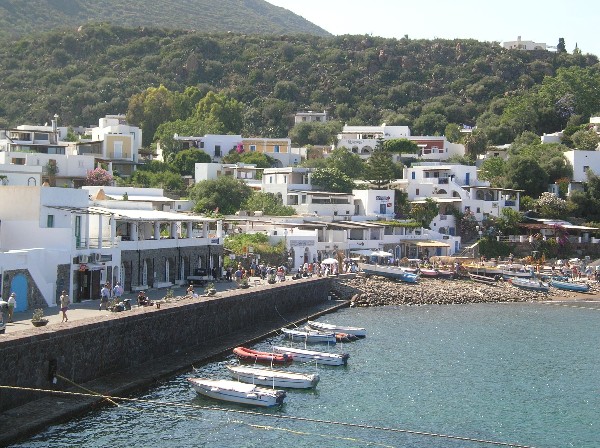
Another view of Panarea's Sea Front.
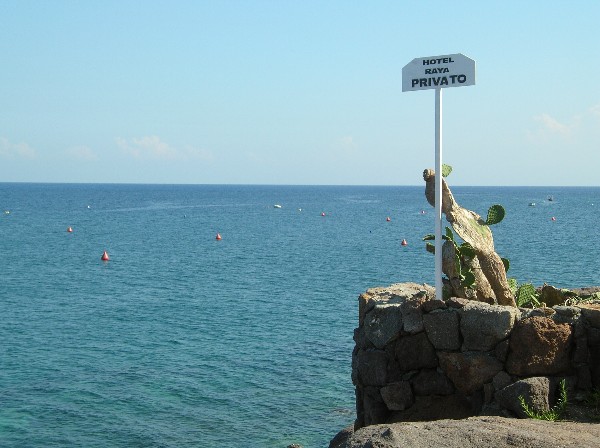
The island, in common with the others, does have hotels, and this one has a fairly isolted location!
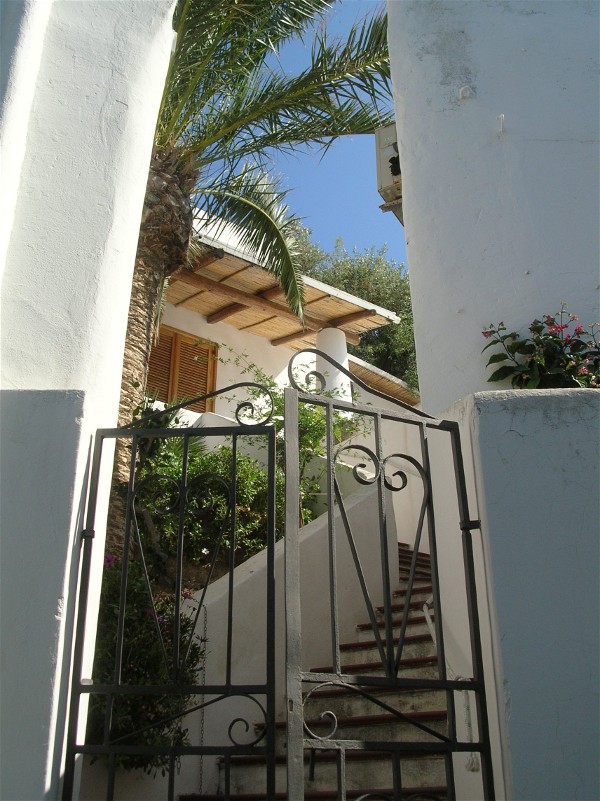
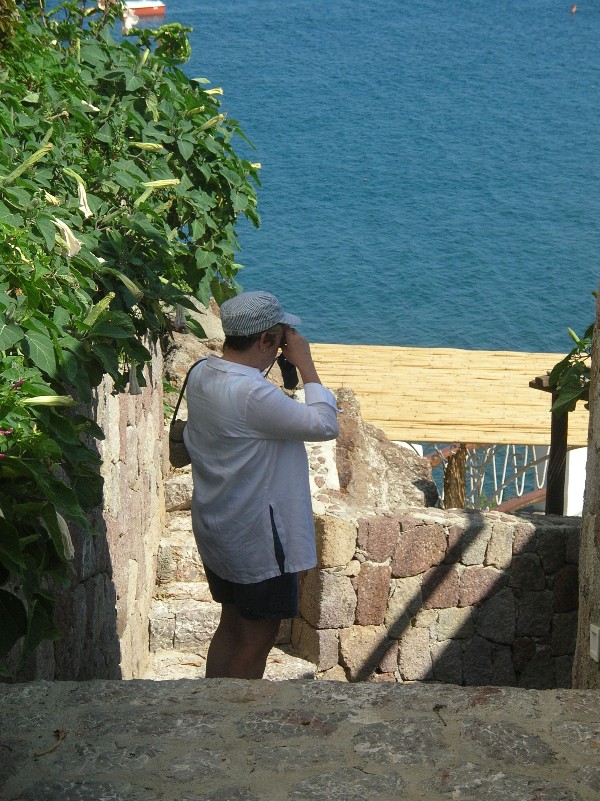
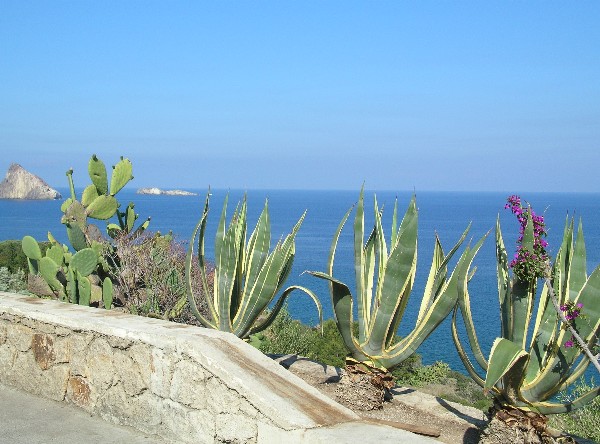
These next few photos will, hopefully, give you some idea of the island, and its character.
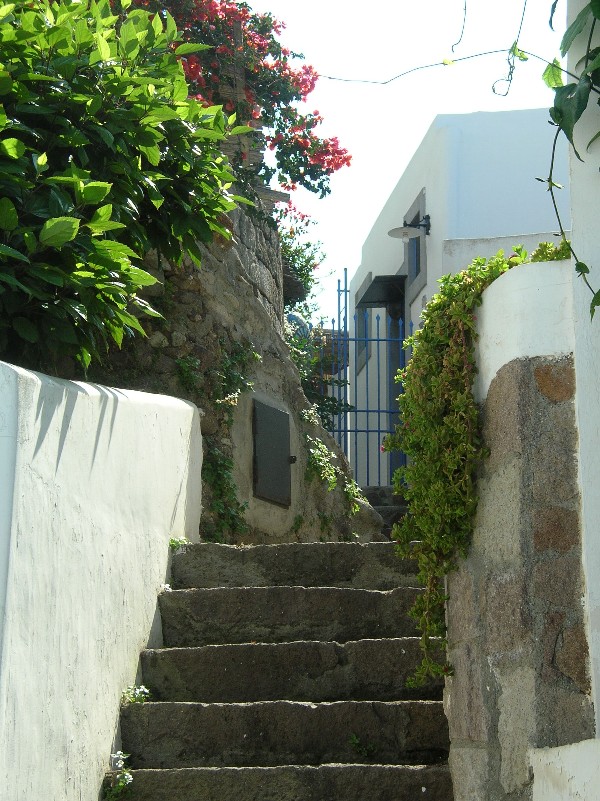
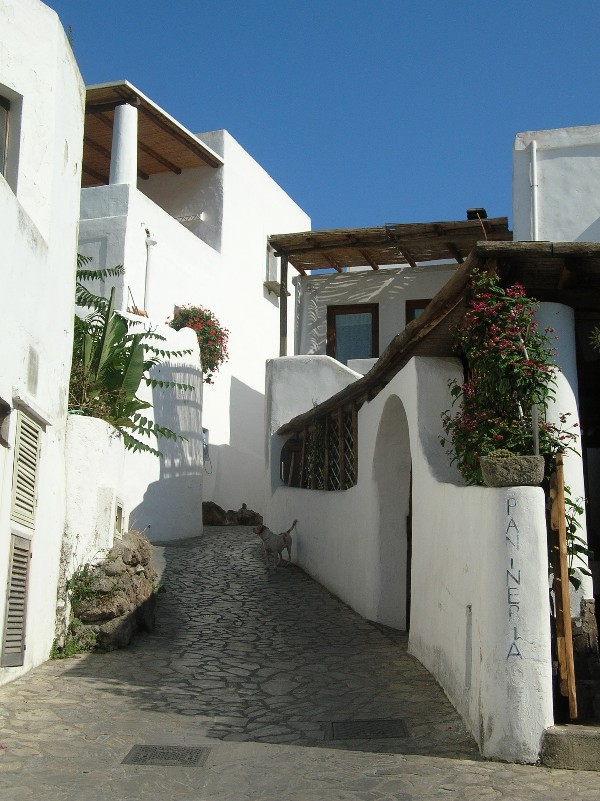
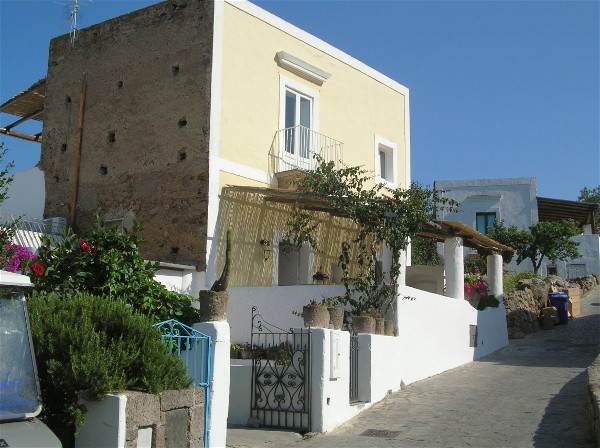
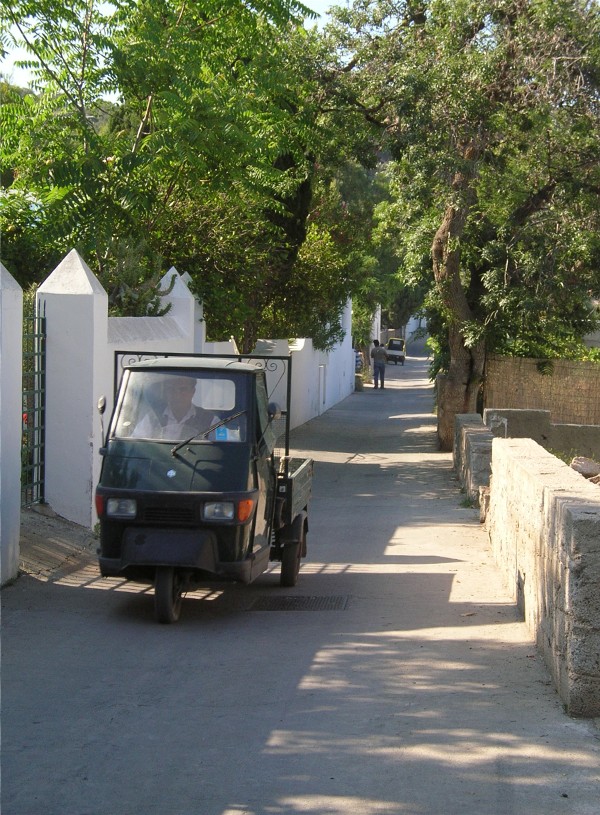
Panarea's idea of a traffic jam!
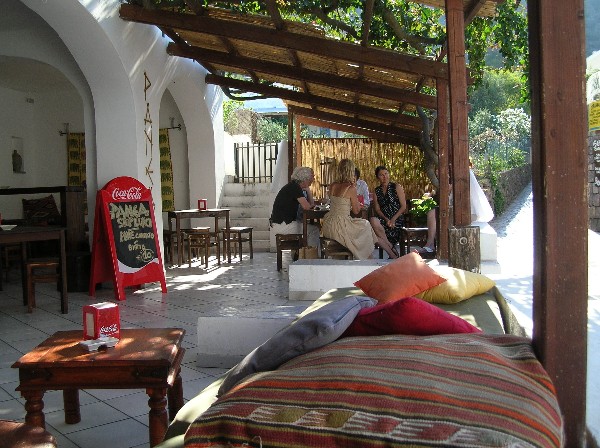
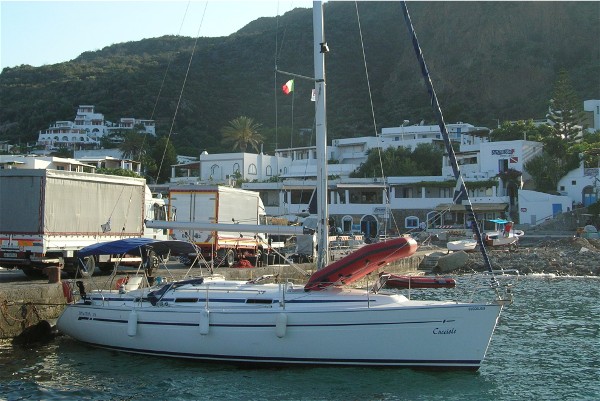
We're still moored on the jetty, but it's getting later and the pleasure boat has gone.
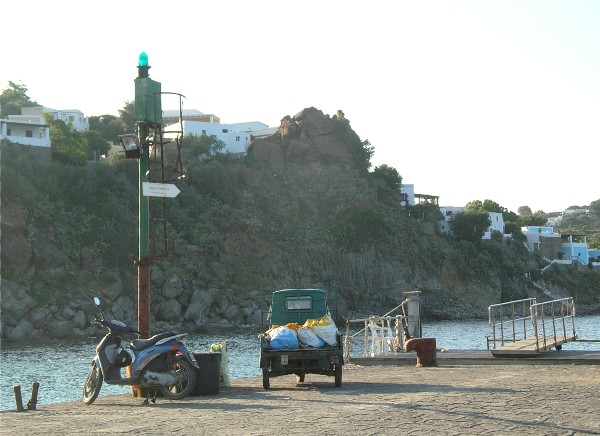
You can see just how busy their harbour is!
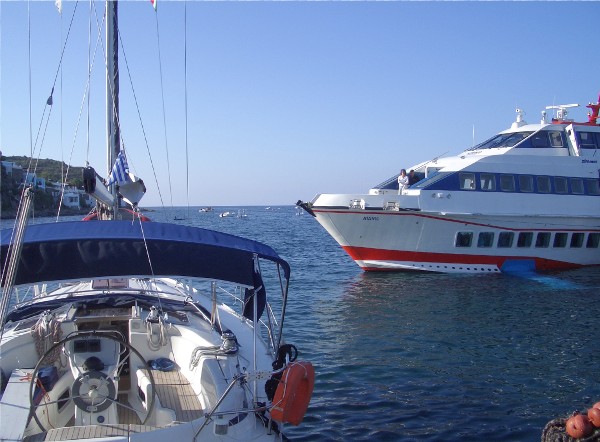
Another ferry makes a 'close call' at Panarea harbour.
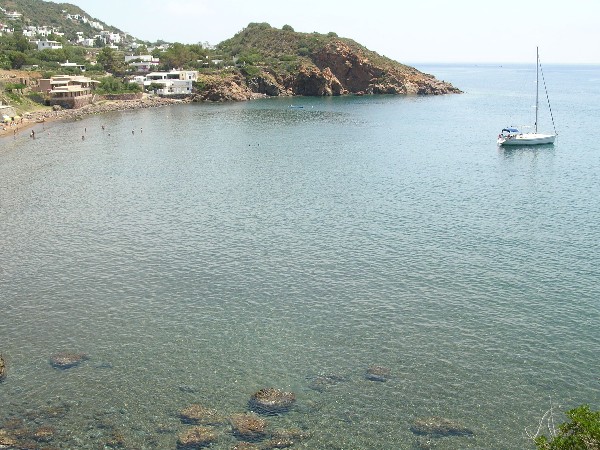
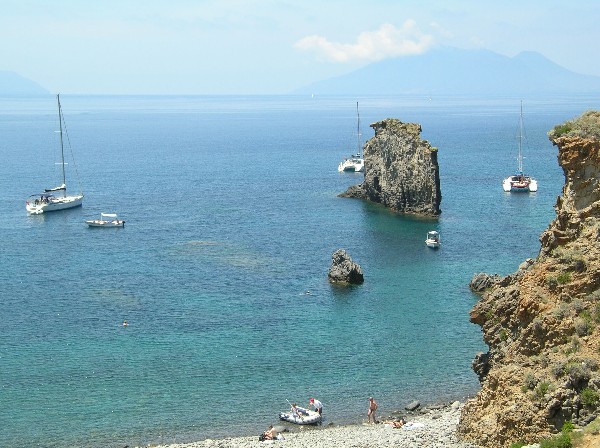
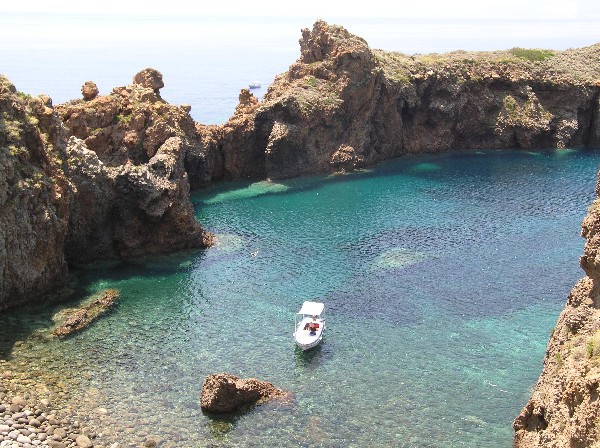
Next morning we moved around the island into this lovely bay, in time for a swim, and lunch. We then set off to find the site of the prehistoric settlement, which meant climbing the headland which gave us some spectacular views of Cucciolo, the bay and indeed the whole of the surrounding area.
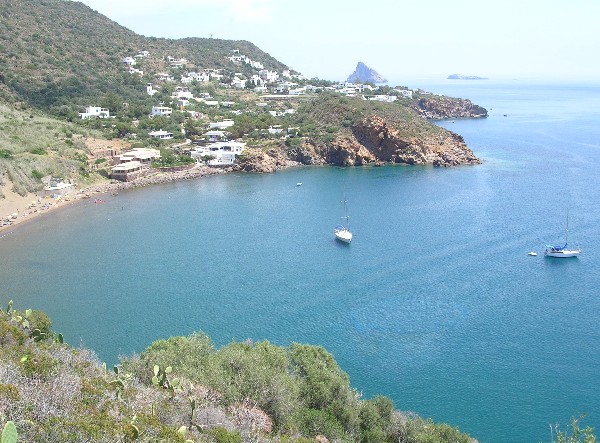
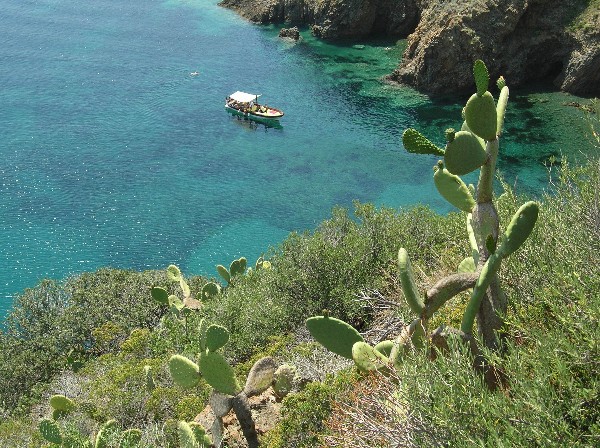
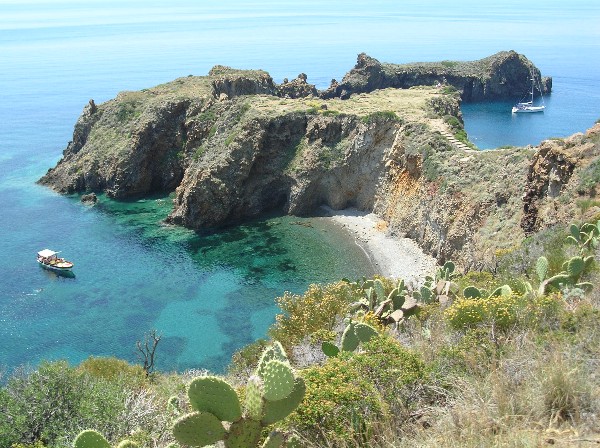
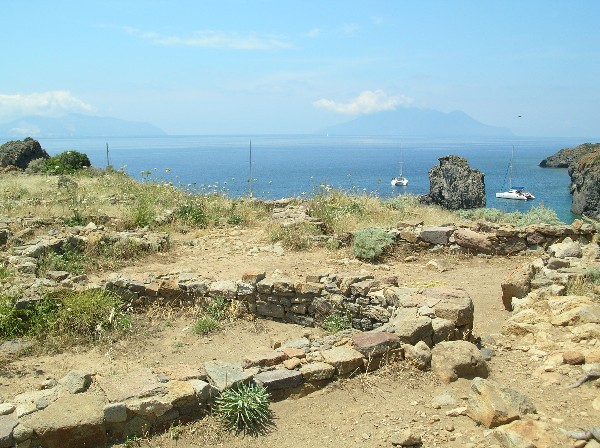
There were far more of the prehistoric remains to be seen than we had expected.
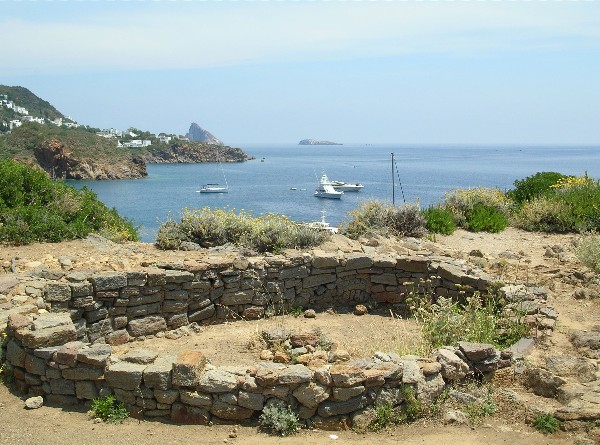
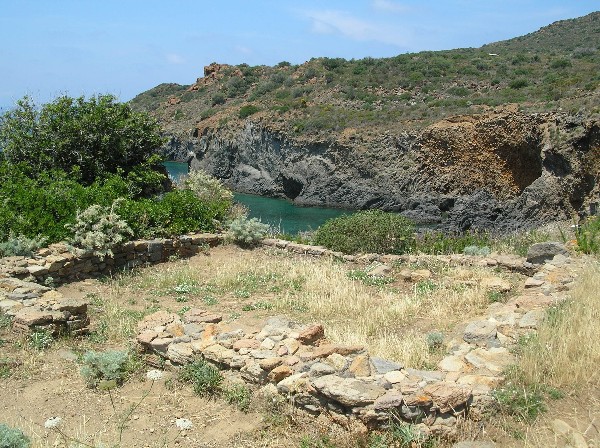
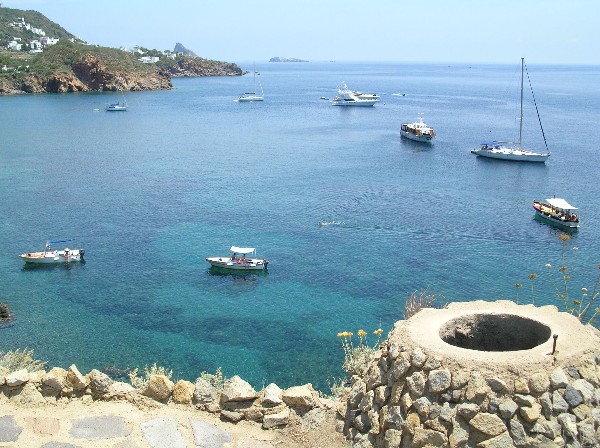
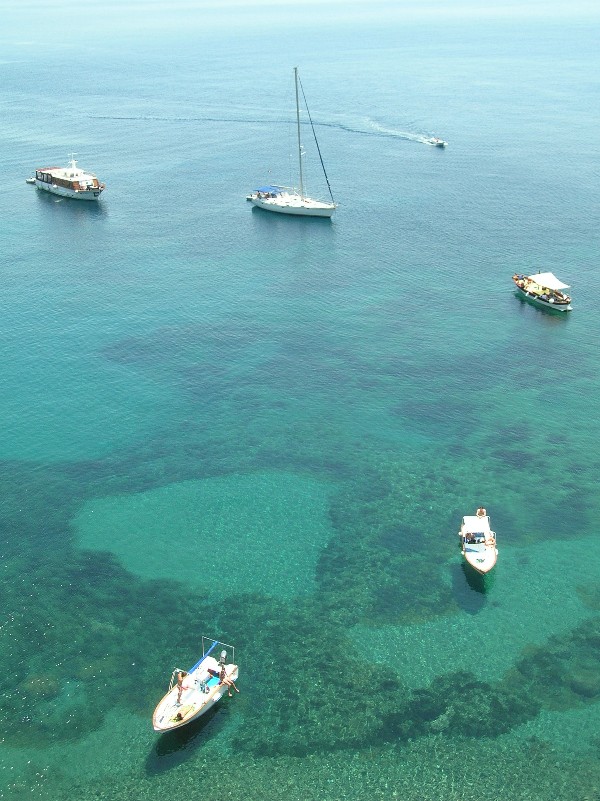
Going round in circles?
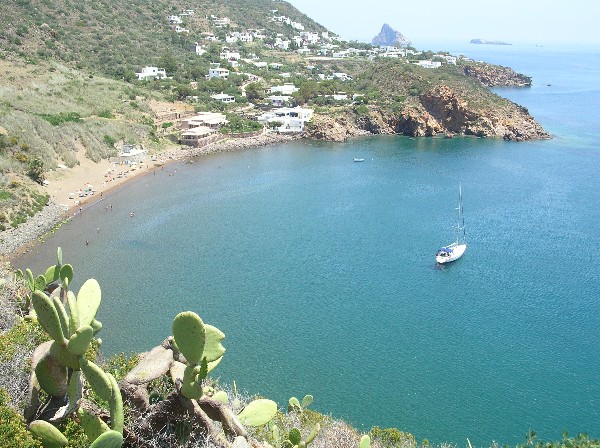
Thankfully Cucciolo was still anchored where we had left her - and it's time for another swim, after that hot walk!
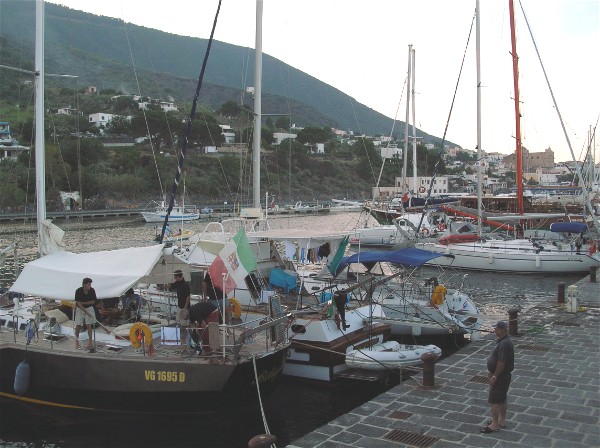
This is the harbour at Salina.
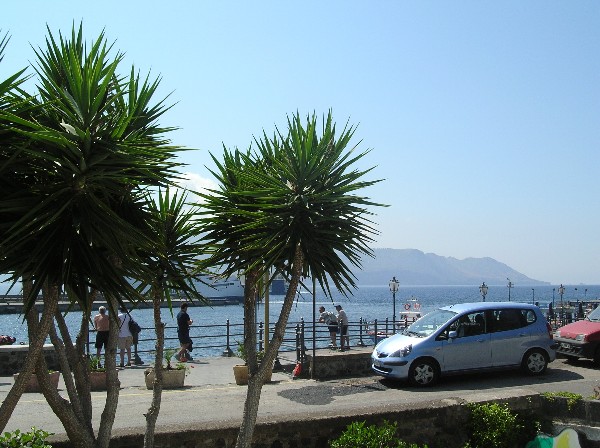
And this is the view we had whilst enjoying breakfast in a Salina cafe.
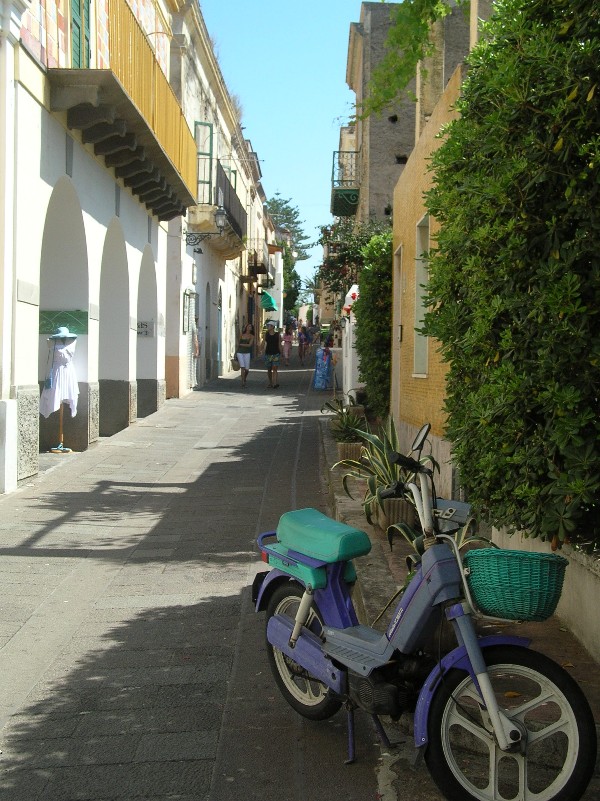
The High Street in Salina!
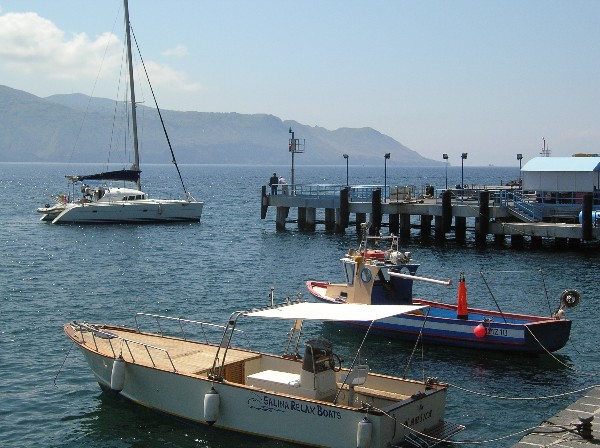
The more commercial part of Salina's harbour.
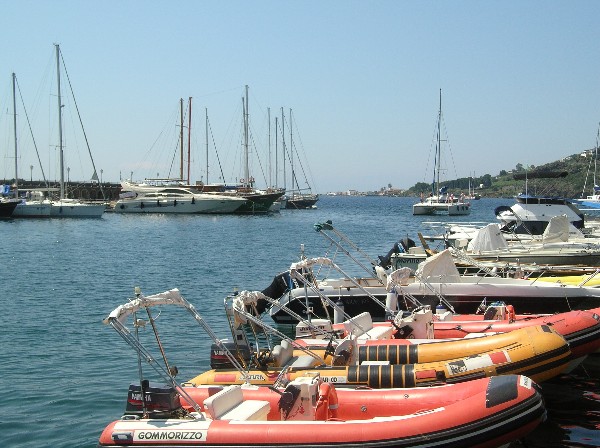
Cucciolo is one of the yachts visible - but don't ask which one!
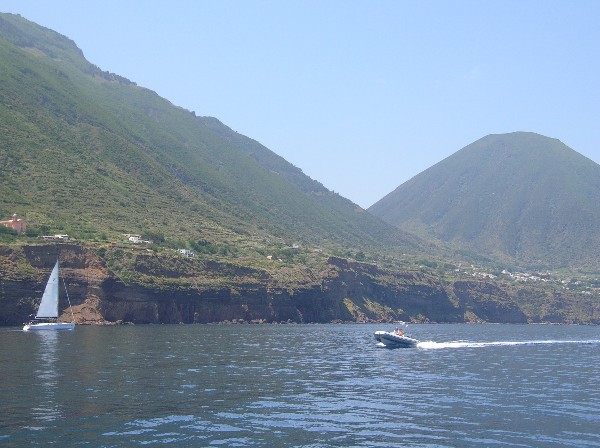
Salina has two distinct 'humps', or peaks, and we're on our way towards the second, with its impressive point.
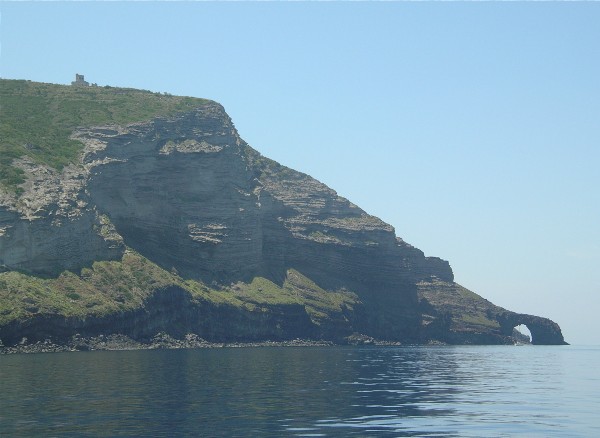
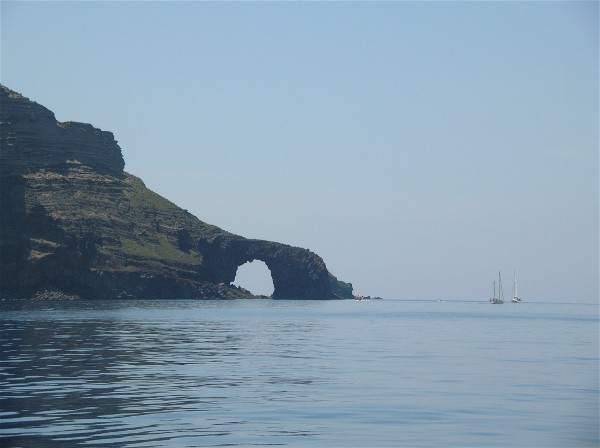
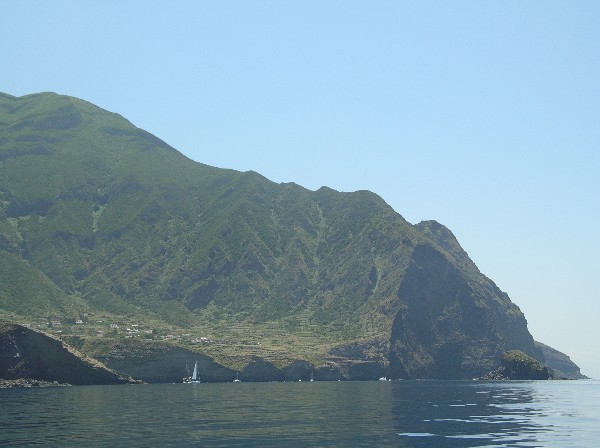
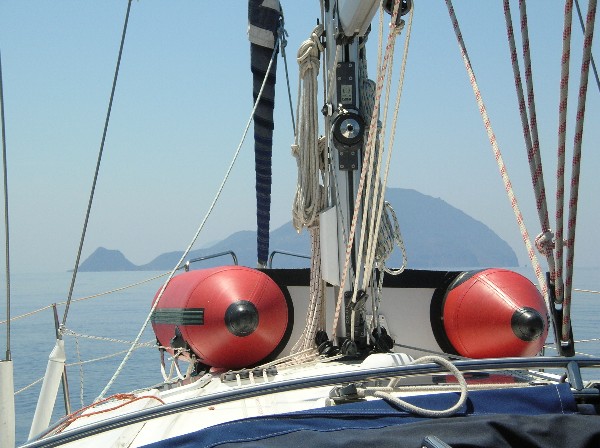
Past the point, and on our way to Filicudi (in the distance).
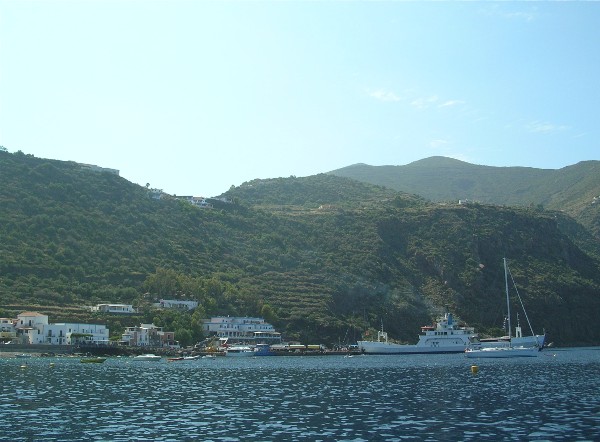
We've arrived at Filicudi - hardly the biggest town you've ever seen, but note the water delivery boat.
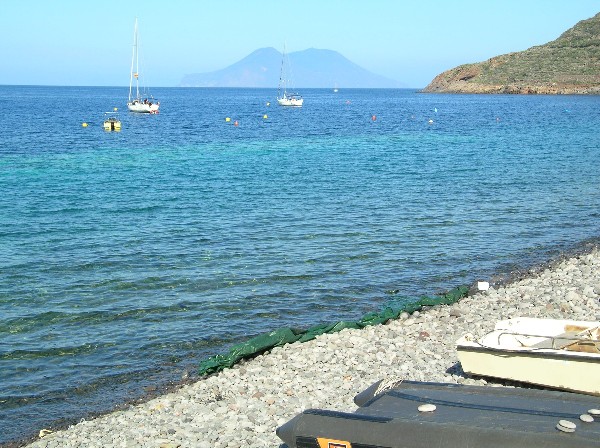
We've rowed ashore in the 'puff-up', and Cucciolo is the right-hand of the two yachts. Salina Island can be seen in the distance.
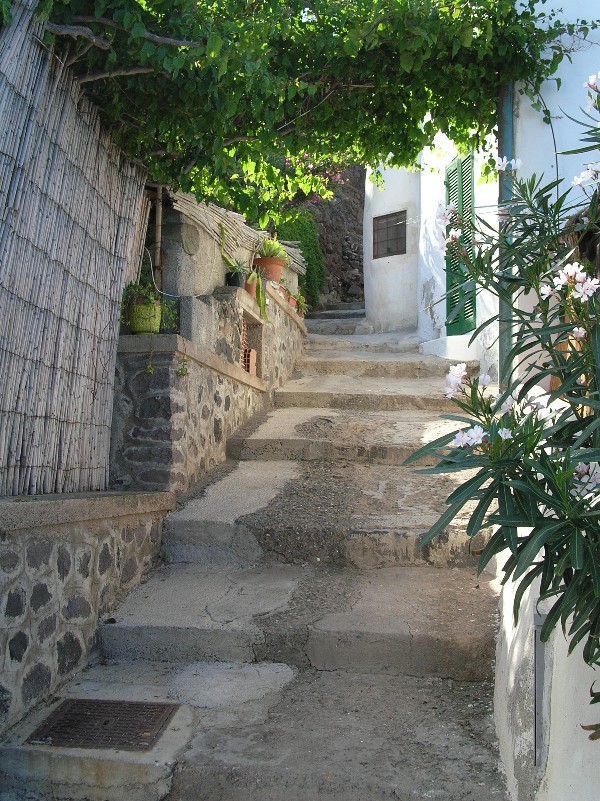
There aren't many streets, but this is one of them.
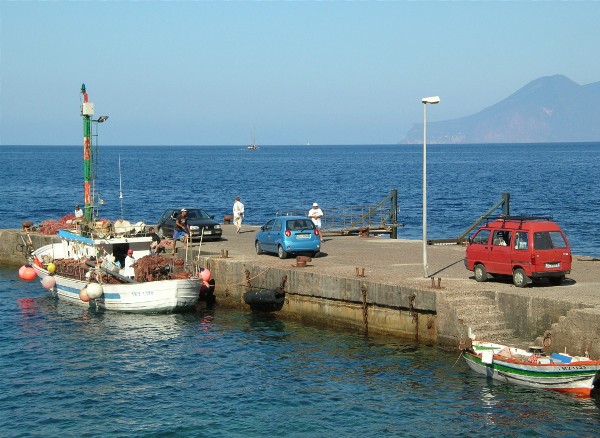
And Filicudi's bustling harbour!
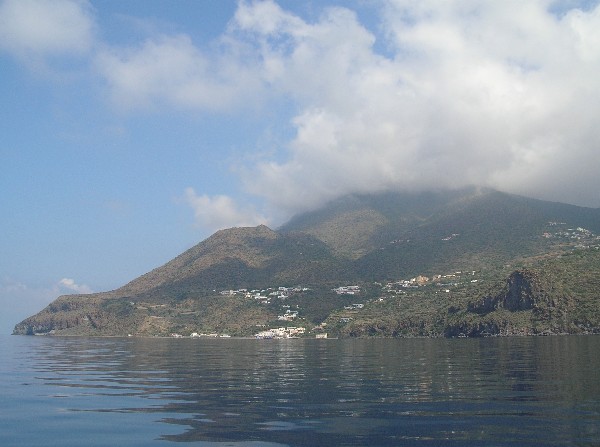
We left our buoy next morning, to circumnavigate Filicudi, before heading back to Salina.
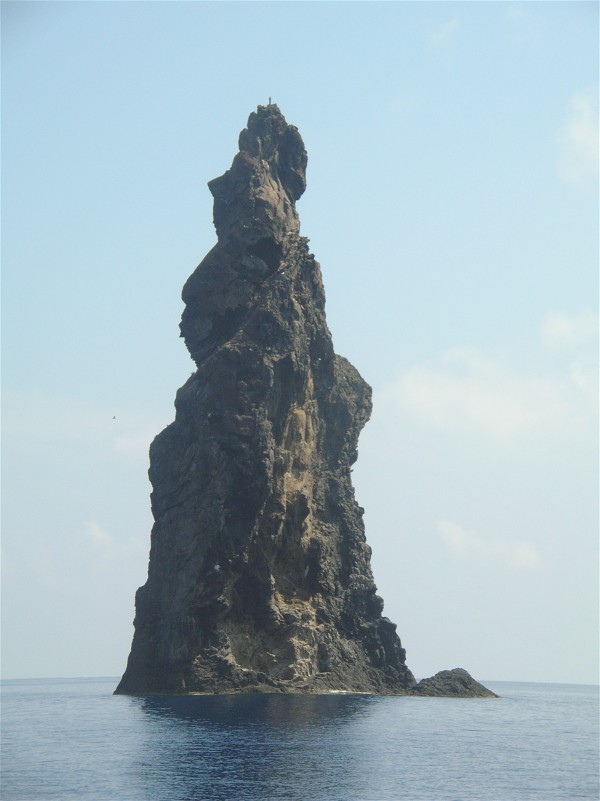
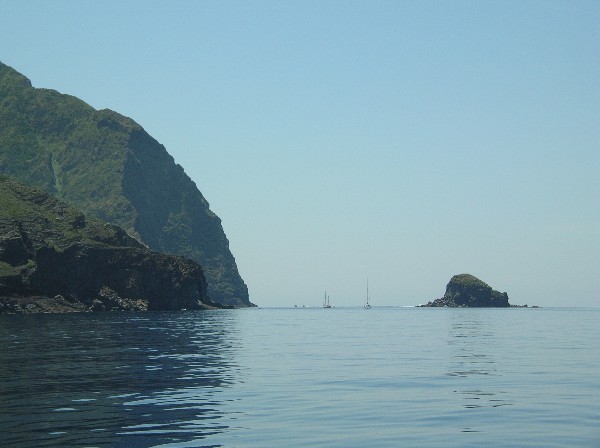
Three pictures of Filicudi's imposing rock.
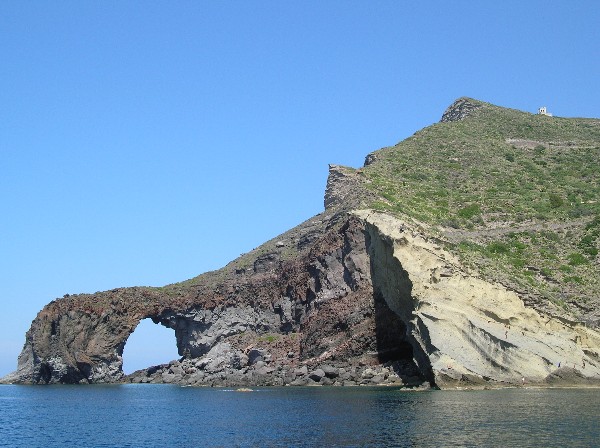
We're back at Salina's North West tip, in good time to anchor, swim and lunch!
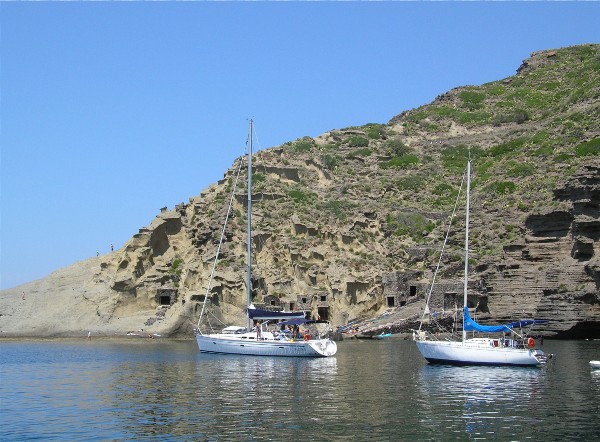
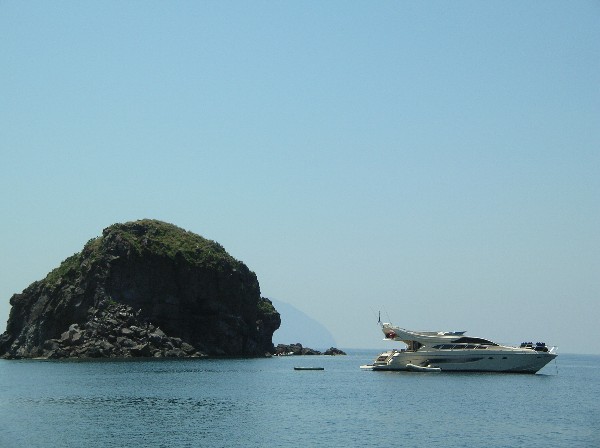
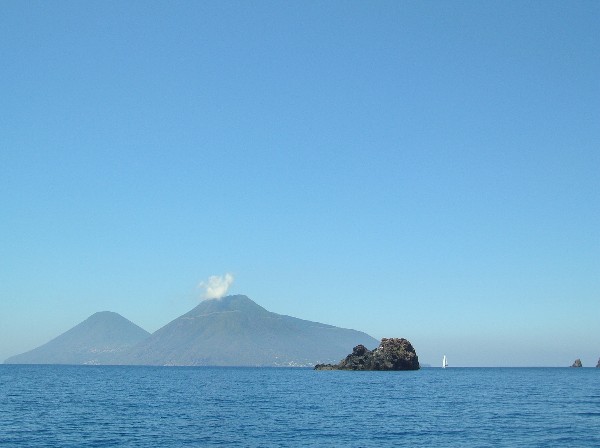
This is a view of Salina, the following day, as we set off to sail 'the other way round Lipari Island'.
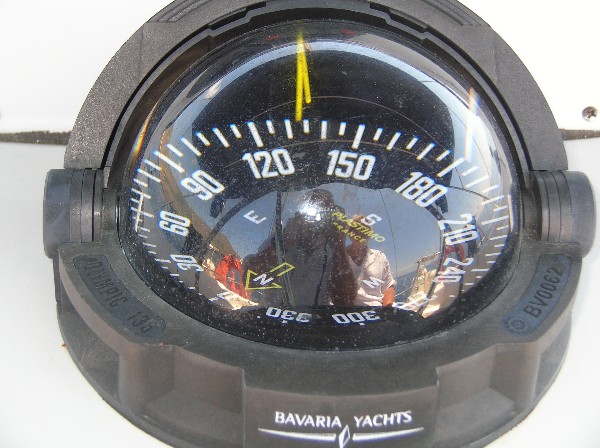
Look carefully. Is this to prove we are on-course, or is it a portrait of us both?
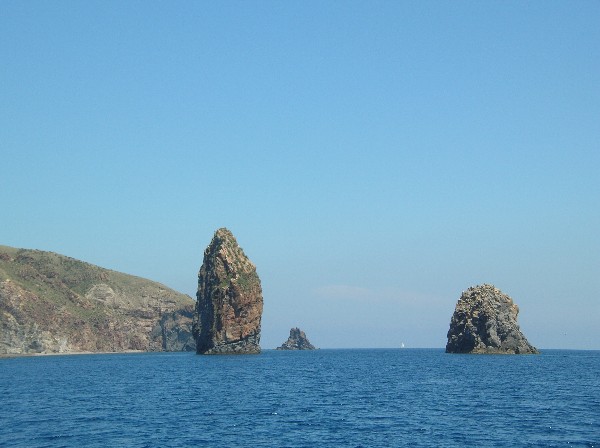
Rocks off the South East tip of Lipari.
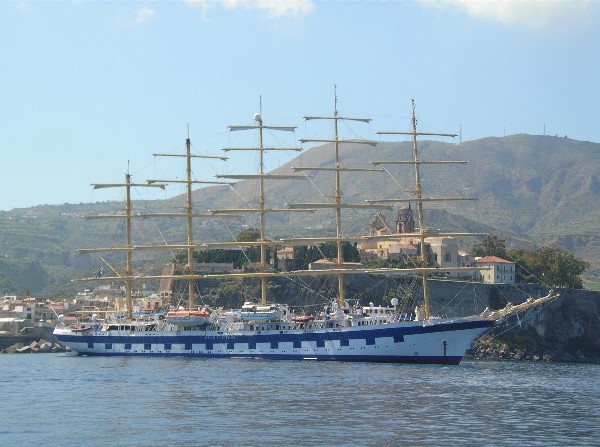
At last we manage to get our yacht upgraded!
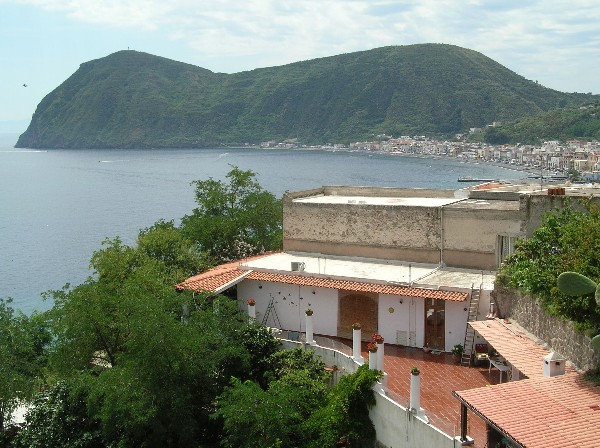
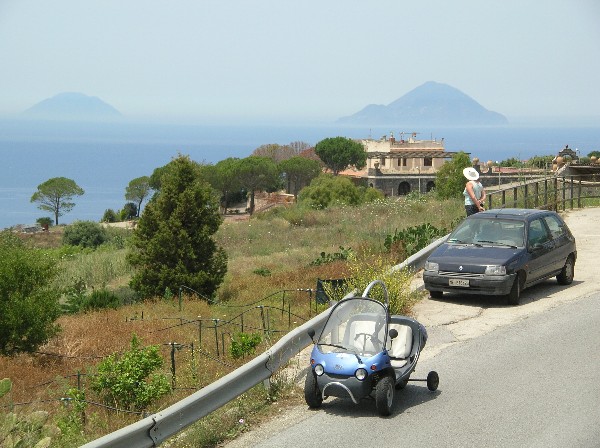
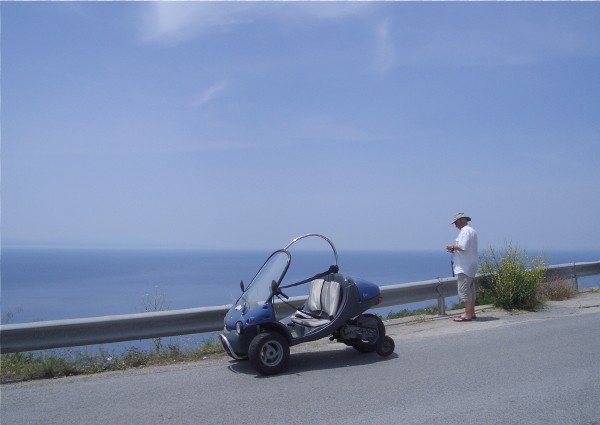
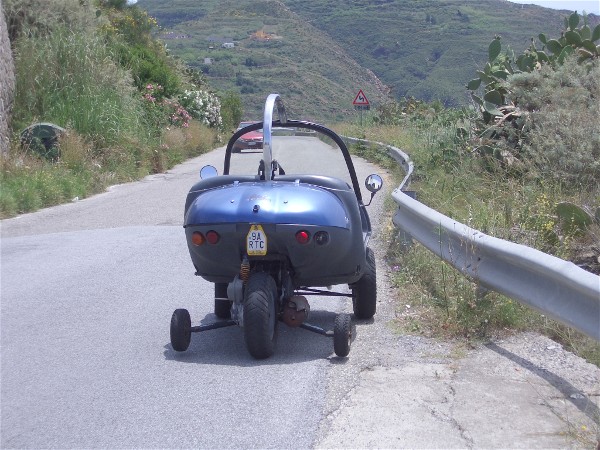
Towards the end of our holiday, we'd hoped to visit Stromboli at night, but as the volcano wasn't co-operating we decided to go round Lipari by road. You'll see our mode of transport shortly, but first here are some of the views. This is looking down on Lipari Town.
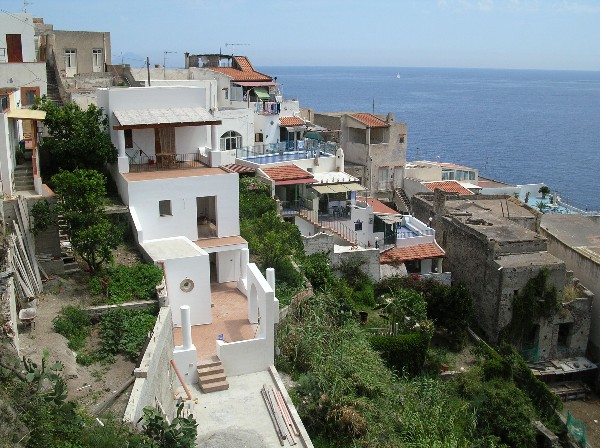
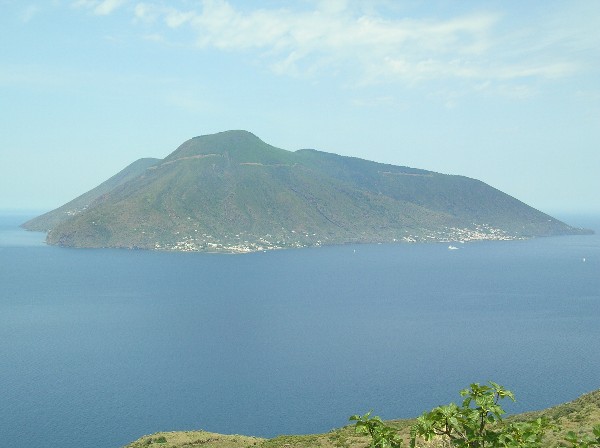
Looking across to Salina Island.
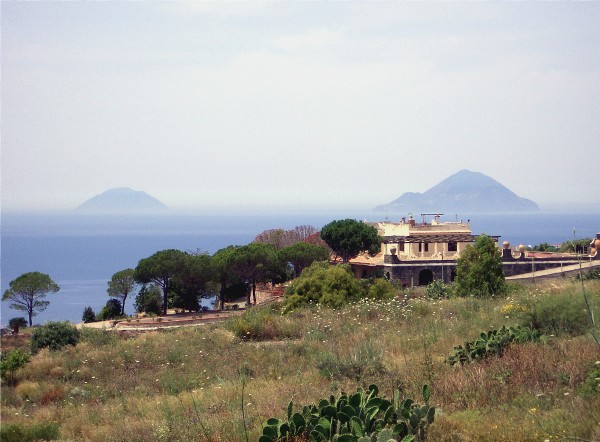
Filicudi and Alicudi, from Lipari.
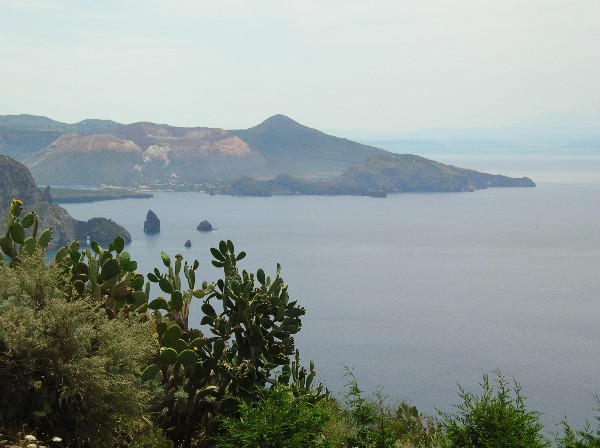
Looking across to Volcano Island.
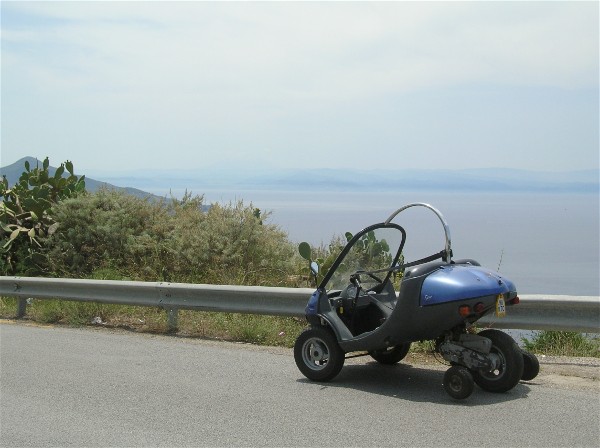
And here it is - our Lipari Bug!
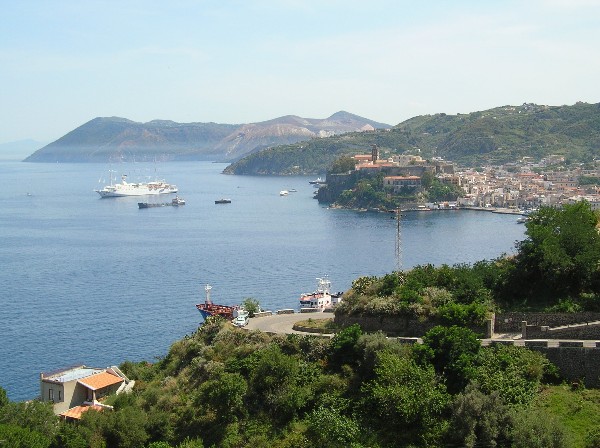
Two more views of Lipari Town.
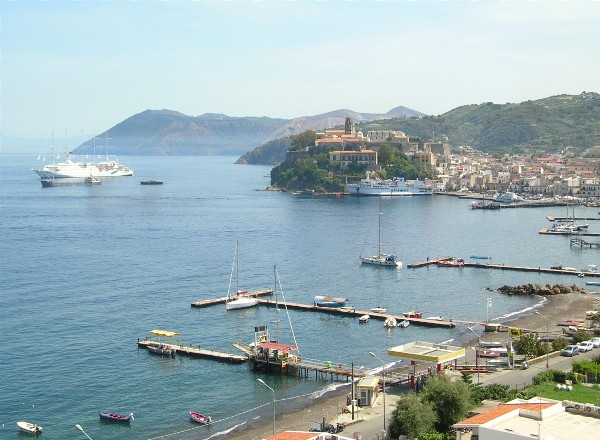
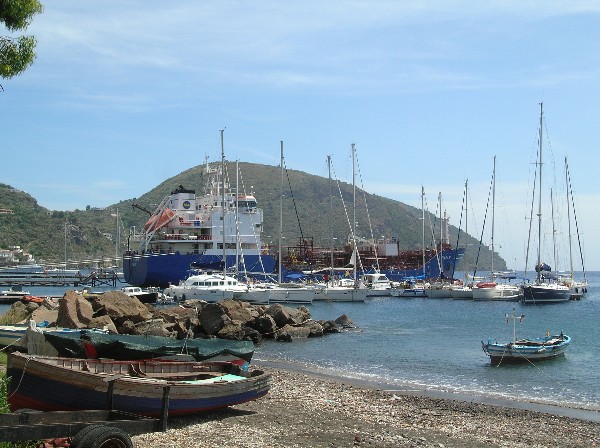
Our pontoon is now much busier. Cucciolo can be seen near the right hand edge of the picture, immeditaely to the left of the dark blue hull yacht. Please note the proximity of the rocks on the shore-line. Not ideal for lining up prior to going astern into the mooring position on the pontoon!
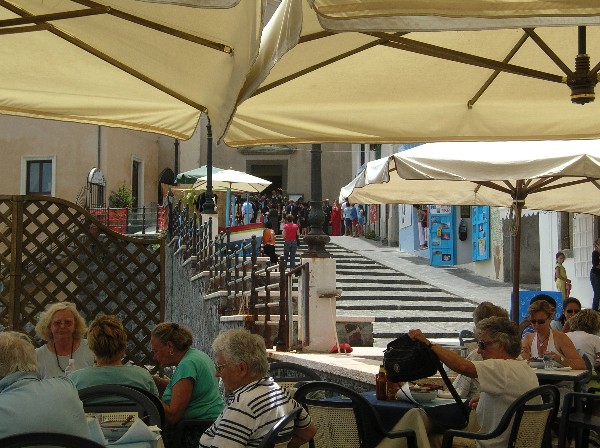
Whilst enjoying another (yet another) glass of wine, we watched a wedding taking place in the church beside the old Lipari Harbour.

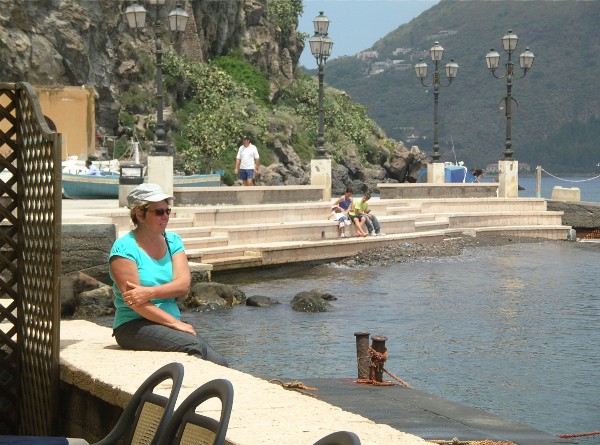
Jenny shows off her skipper's hat!
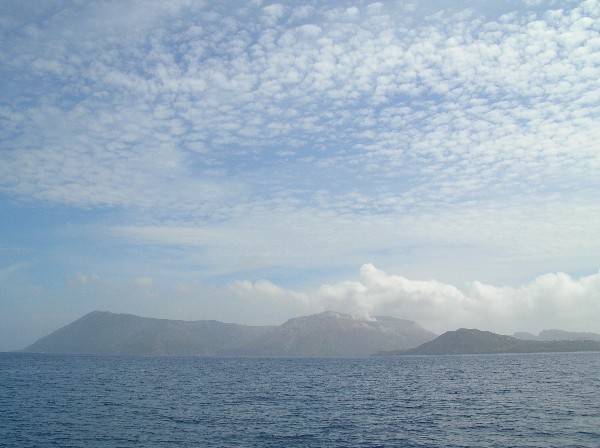
The skies above Volcano Island.
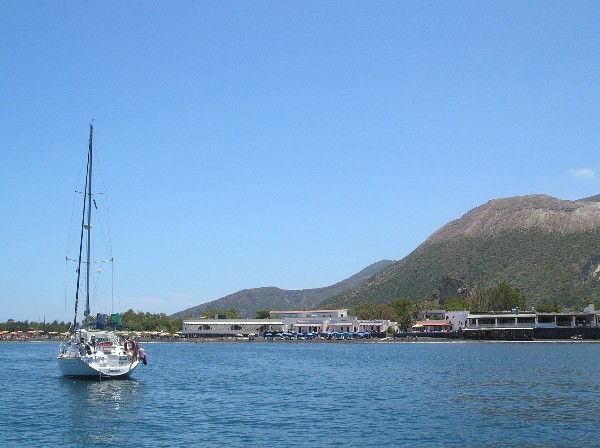
This bay on Volcano Island is much easier to anchor in, and provided another ideal swim/lunch location.
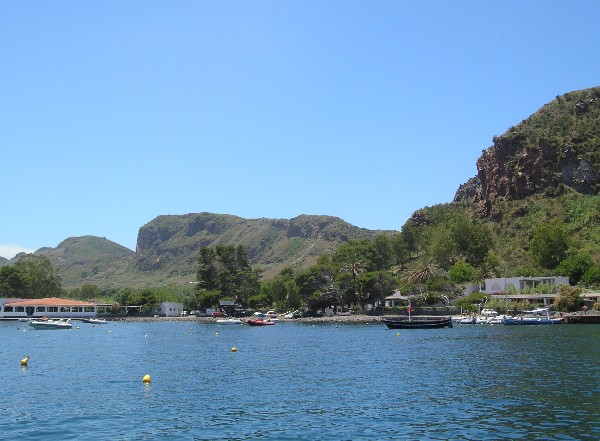
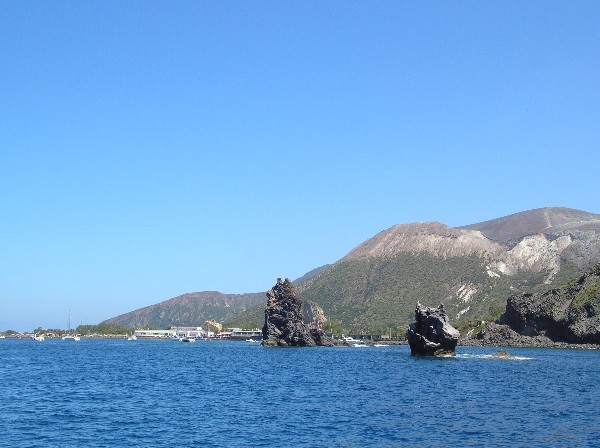
Leaving the bay at Volcano, prior to sailing/motoring round the island on our way back to Lipari. This was our final day before having to go back to Sicily.
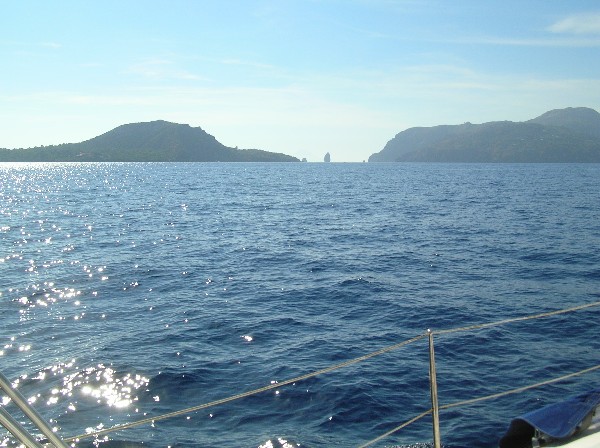
On the left, Lipari Island, with its rocks, and on the right Volcano Island.
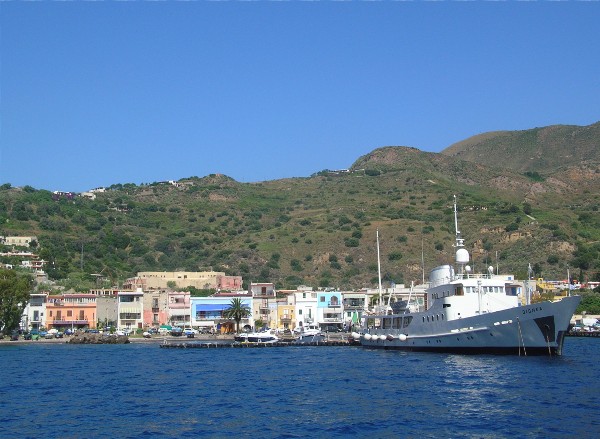
Our last look at the pontoon, of which we had become quite fond during our days on and around Lipari.
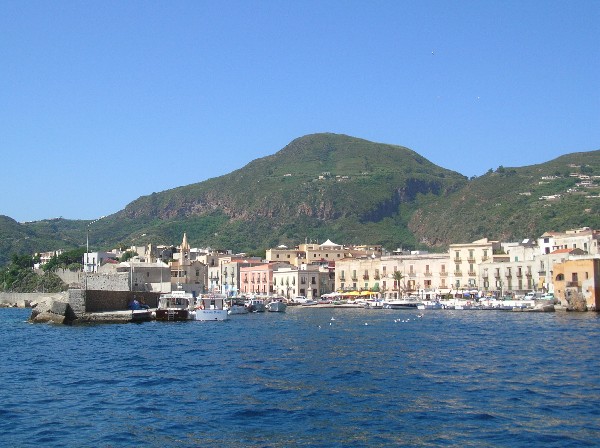
And the final look at Lipari Town.
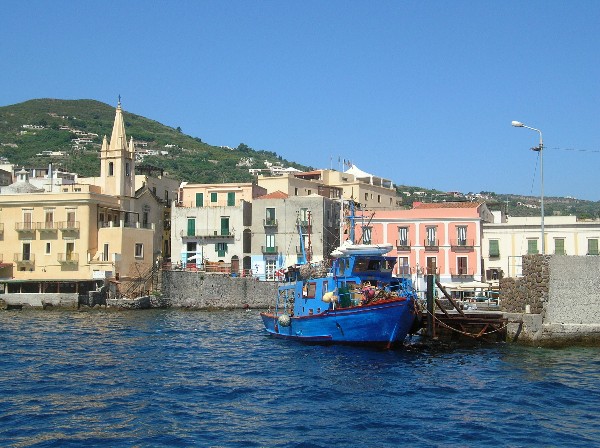
Our final look at the old harbour, and Castello.
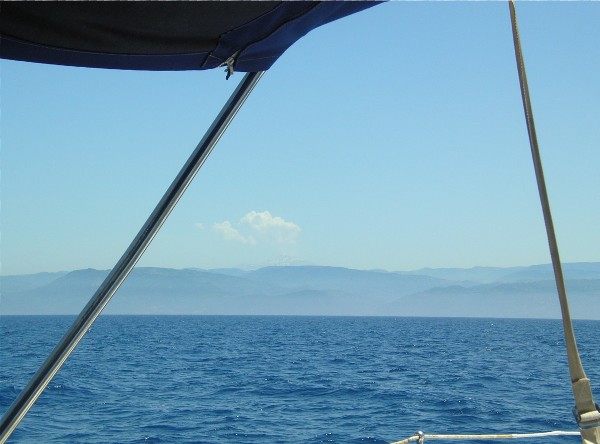
Almost all the way back from the islands to Sant Agata (Sicily) we could see Mount Etna. You may just be able to pick out its peak and billowing smoke. this was a while after we'd been visited by about twenty dolphins, many of whom had swum around and under the boat before resuming their original course, and jumping high into the air. For a while, the sea was alive with dolphins, and then they were gone, but it was one of those magic moments.
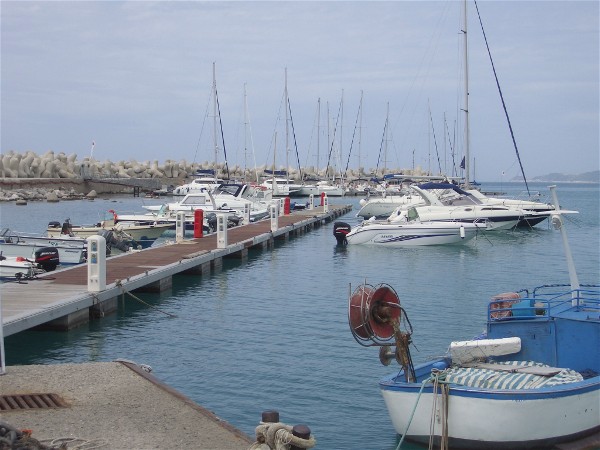
The pontoon at Sant Agata.
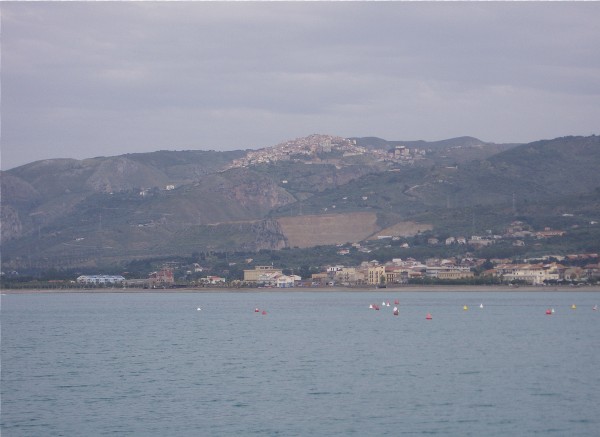
A typical community perched high on the hill-side, outside Sant Agata.
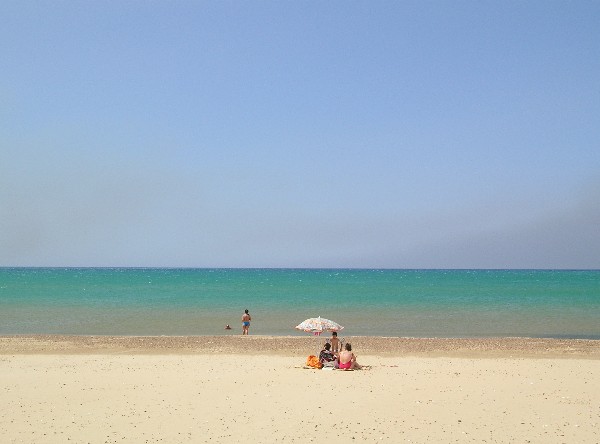
After leaving the boat at Sant Agata, we drove back to, and past, Palermo airport. It's about a two hour drive, but we had plenty of time to spare and wanted to be on the airport side of Palermo before finding lunch, and maybe somewhere to visit. This beach was where we had lunch, but there was a scorchingly hot wind blowing and we have no idea how this family were able to sit on the beach without literally frying.
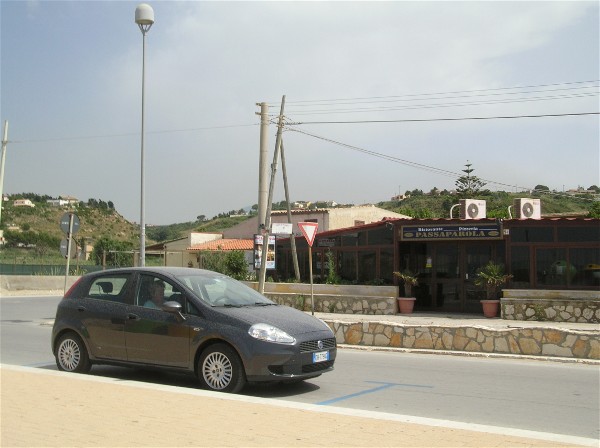
Our hire car, and lunch 'restaurant'.
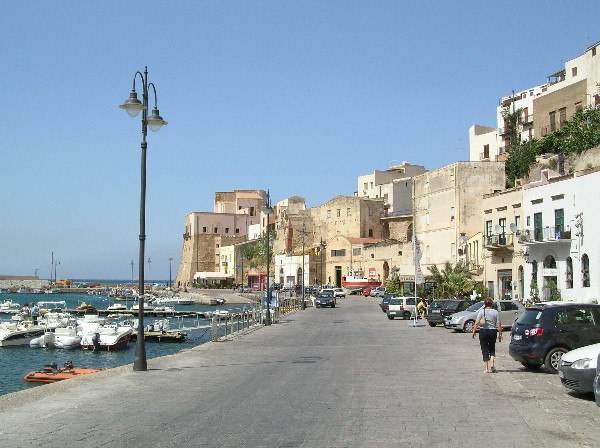
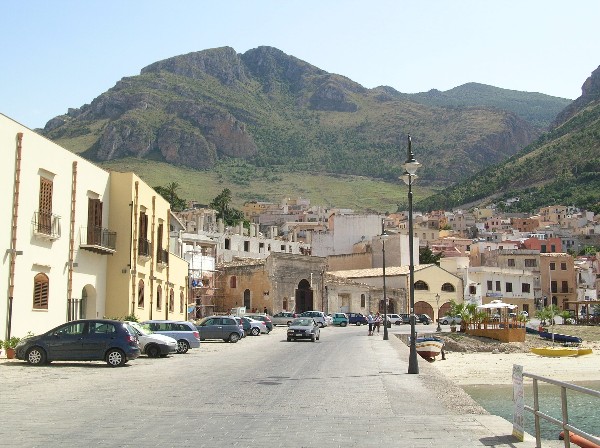
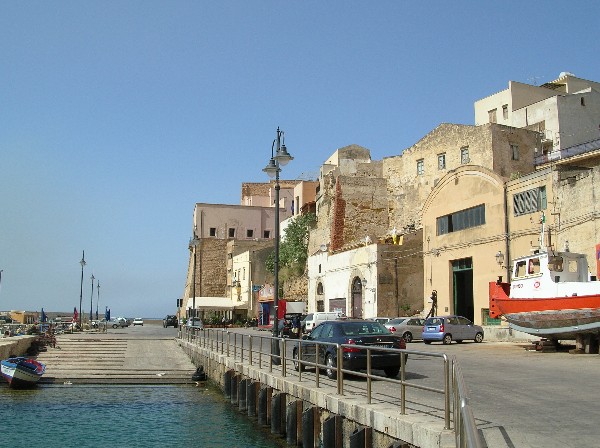
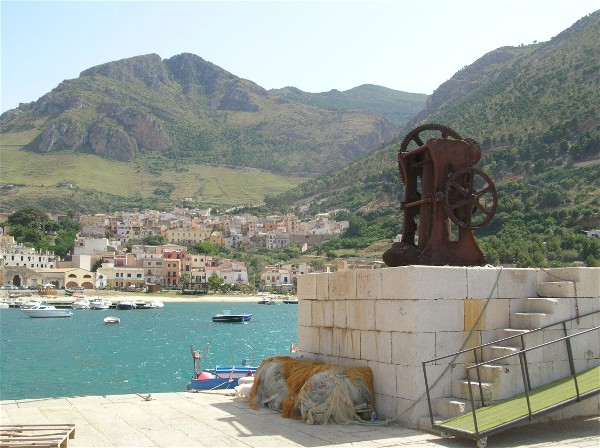
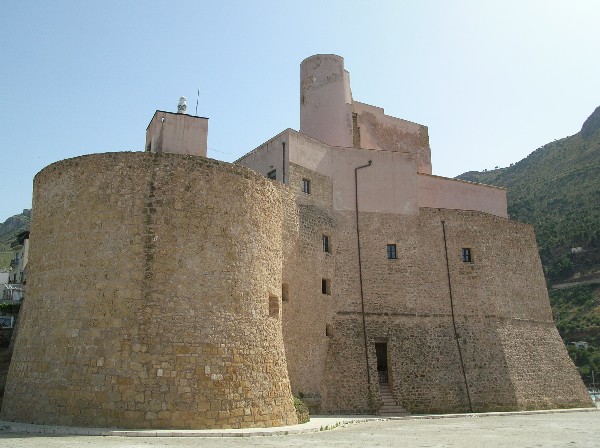
This, and the shots following, is of a very picturesque (and very hot) town we found just after we'd had lunch, and just before going back to the airport. When we find out what it is called, we'll be able to give it due credit!
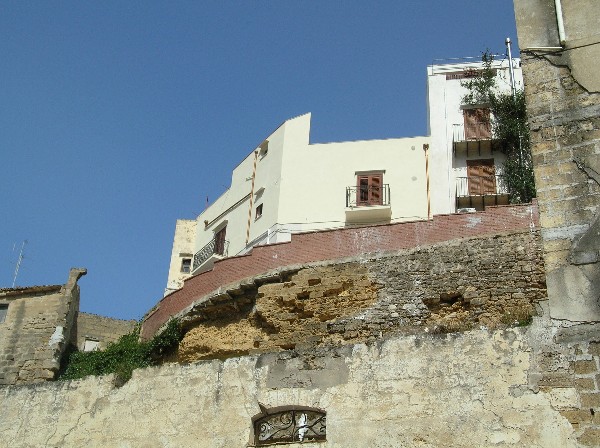
Note the crumbling support under this road!
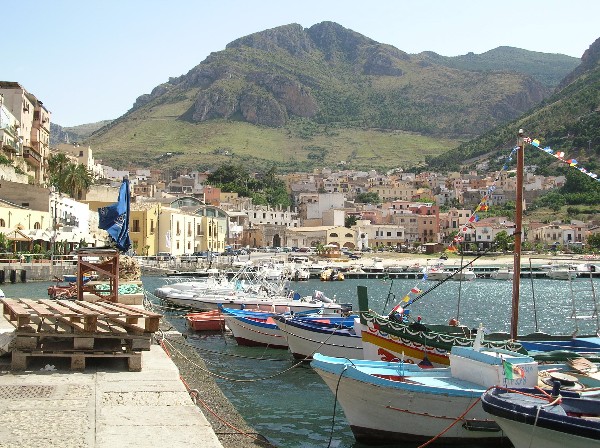
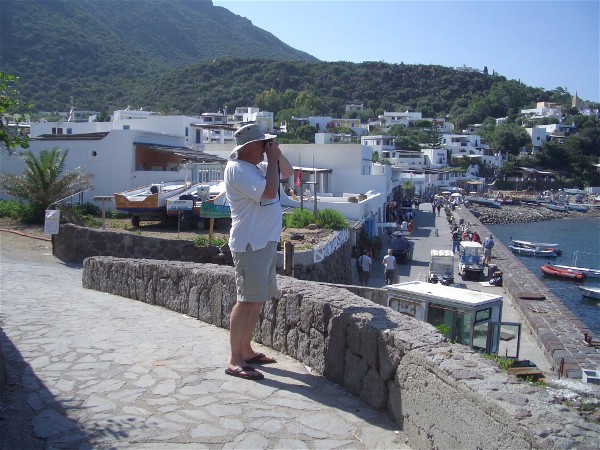
One of the photographers, hard at work!
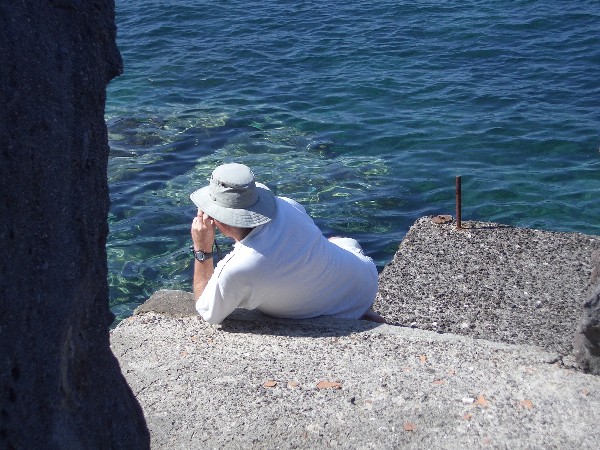
And again.
THAT'S ALL FOLKS!